Metal Roofing — Panels, Seams, and Home Roof Longevity
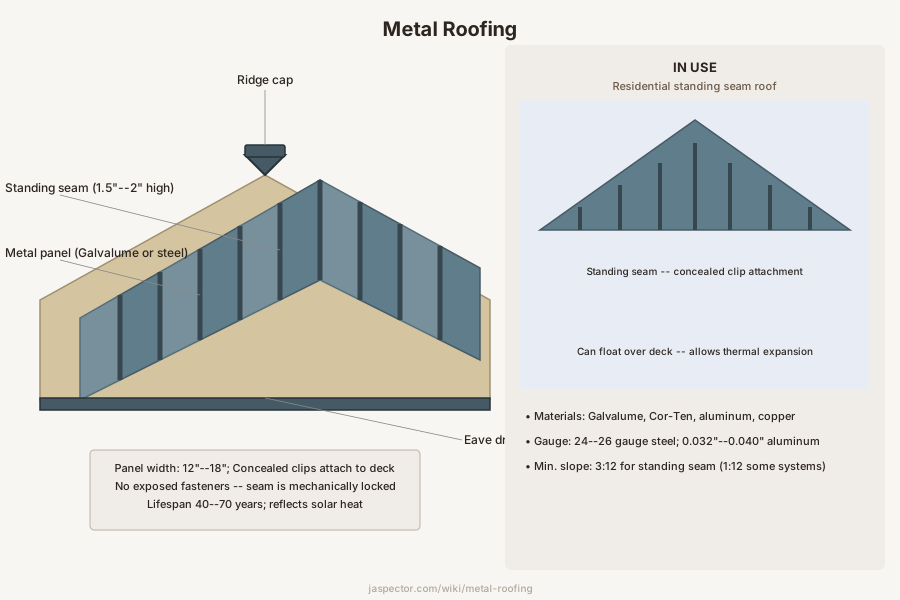
Metal roofing is a roof covering made from steel, aluminum, copper, or similar metal panels or shingles installed to shed water and protect the building.
What It Is
Metal roofing is valued for durability, long service life, low maintenance, and strong wind performance when installed correctly. Depending on the system, panels may lock together with concealed fasteners or be screwed through the face of the panel into roof framing or purlins.
The roofing material is only part of the assembly. Underlayment, flashings, trim, closures, and compatible fasteners all matter because leaks usually start at penetrations, laps, or edges rather than through the field of the metal itself.
Types
Common residential types include standing seam panels, corrugated exposed-fastener panels, stamped metal shingles, and specialty copper or zinc systems. Steel is the most common choice because it is affordable and strong, while aluminum is popular in coastal areas because it resists rust better.
Panel profile, coating, gauge, and fastening method affect cost and service life. Standing seam systems generally cost more up front but hide the fasteners from weather, which can reduce future maintenance.
Where It Is Used
Metal roofing is used on homes, porches, detached garages, sheds, barns, and low-slope or steep-slope roof sections depending on the specific product listing. It is especially common in regions with snow, wildfire exposure, or high winds where a durable roof assembly is desirable.
How to Identify One
You can identify metal roofing by long metal panels, stamped shingle-like pieces, exposed screw heads, or raised standing seams that run from eave to ridge. Compared with asphalt shingles, the surface is smoother and more rigid, and the roof edges often use more prominent trim profiles.
Replacement
A damaged metal roof can sometimes be repaired with new fasteners, flashing, sealant at approved locations, or replacement panels. Full replacement is usually chosen when the coating has failed, corrosion is widespread, fastener holes are enlarged, or the original installation details were poor. Matching the panel profile and trim system is important if only part of the roof is being replaced.
Frequently Asked Questions
Metal Roofing — FAQ
- How long does a metal roof usually last?
- Service life depends on the metal, coating, and installation quality. A well-installed steel or aluminum roof can last several decades, often outlasting an asphalt roof by a wide margin. Exposed-fastener systems usually need maintenance sooner than standing seam systems.
- Is a metal roof louder in the rain?
- Not usually when it is installed over solid roof decking with underlayment and attic insulation. In a typical house, the sound difference is modest. Noise is more noticeable on open-framed sheds or porches where there is no insulated ceiling below.
- Can rust spots on metal roofing be repaired?
- Small areas sometimes can, especially if the corrosion is limited to surface coating damage. Once the metal has deeply pitted or the panel edges and fastener areas are failing, replacement becomes the more reliable solution.
- Can I install a metal roof over old shingles?
- Sometimes local code and the manufacturer allow it, but it is not always the best approach. Tear-off gives the installer a chance to inspect the deck, correct flashing details, and avoid trapping unevenness or hidden moisture problems under the new roof.
Have a question about your project? Get personalized answers from our team — $9/mo.
MembershipAlso in Roofing
- Asphalt Shingle Types: 3-Tab vs. Architectural Asphalt Shingles
- How Long Asphalt Shingles Last Asphalt Shingles
- Asphalt Shingle Installation: What to Expect Asphalt Shingles
- Gable Vent Attic Ventilation
- Soffit Vent Attic Ventilation
- Turbine Vent Attic Ventilation
- Chase Cover Chimney System
- Chimney Cap Chimney System