Metal Chimney — Factory-Built Class A Vent Systems
A metal chimney is a factory-built all-fuel chimney system made of insulated metal sections that vent a fireplace, stove, or other listed heating appliance.
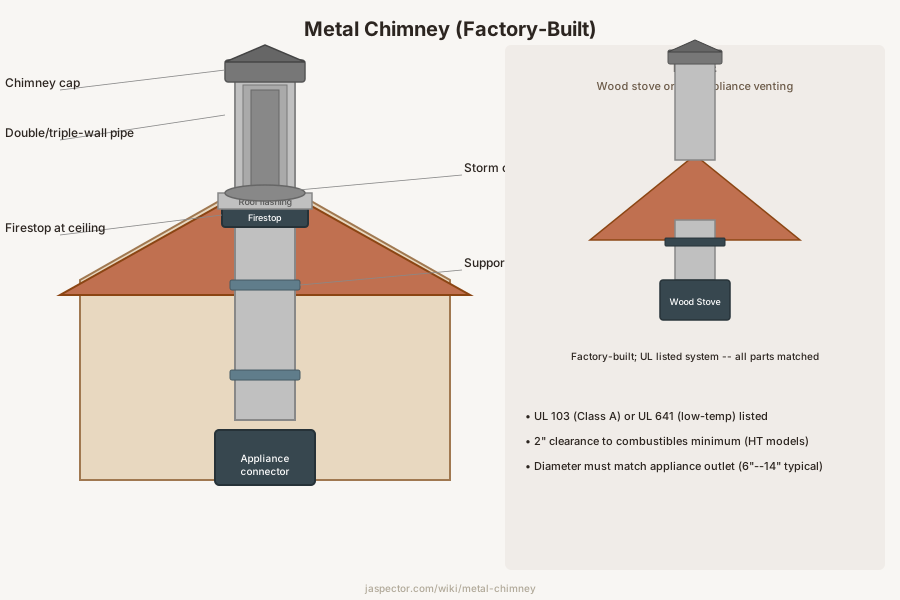
What It Is
A metal chimney is not simple stove pipe. It is a tested Class A chimney system built from interlocking double-wall or triple-wall sections that maintain required clearances to combustible framing while carrying hot flue gases safely out of the home.
These systems are assembled from listed components such as support boxes, firestop spacers, attic shields, flashing, storm collars, caps, and termination sections. The exact parts and clearance requirements depend on the appliance and the specific chimney brand and model.
Types
Most residential metal chimneys are stainless steel or galvanized outer-shell systems with insulated inner walls. Some are designed for wood-burning appliances, some for pellet systems, and some for gas or oil appliances, but each system must match the appliance listing exactly.
It is important to distinguish factory-built chimney from connector pipe. Black single-wall or double-wall stove connector pipe runs from the appliance to the ceiling or wall support, while the listed chimney system begins where the support assembly transitions into the insulated chimney sections.
Where It Is Used
Metal chimneys are used with wood stoves, prefab fireplaces, some pellet stoves, and other listed solid-fuel appliances where a site-built masonry chimney is not present. They commonly run up through ceilings and attics to the roof, or through an exterior wall and then vertically up the outside of the house with bracket supports.
How to Identify One
A metal chimney has round factory-made sections with locking bands or twist-lock joints and a listed cap assembly at the top. It will usually be enclosed in a framed chase or visible as a stainless or painted round stack outdoors. The insulated chimney is larger in diameter than the inner flue because of the required air space or insulation layer.
Replacement
Damaged sections, improper clearances, rusted caps, and mixed-brand components are common reasons for replacement. Homeowners should not substitute generic pipe parts because listed chimney systems must be installed as a complete compatible assembly. Replacement work should follow the manufacturer's installation instructions and local permit requirements.
Frequently Asked Questions
Metal Chimney — FAQ
- Is a metal chimney the same thing as stove pipe?
- No. Stove pipe connects the appliance to the chimney support and is not rated to pass through ceilings, attics, or walls like a Class A chimney system is. The insulated factory-built chimney starts only at the approved transition point in the listed system.
- Can I mix chimney parts from different brands?
- Not safely and usually not legally. Factory-built chimney systems are tested as complete assemblies, and mixing brands can void the listing and create unsafe clearances or poor connections. Replacement sections need to match the existing system exactly.
- What signs mean a metal chimney should be inspected?
- Look for rust, loose joints, water leaks at flashing, missing support parts, and any section that has been crushed or overheated. Smoky odors indoors, poor draft, or discoloration near the appliance connection also justify an inspection.
- How often should a metal chimney be cleaned?
- Wood-burning systems should be inspected at least annually and cleaned when creosote buildup warrants it. Even if the chimney is metal, creosote can still accumulate inside the flue and create a chimney-fire risk if it is not maintained.
Have a question about your project? Get personalized answers from our team — $9/mo.
MembershipAlso in Fire Safety
- Chimney Insert Chimney System
- Chimney Liner Chimney System
- Masonry Chimney
- Smoke Detector Detection & Alarm
- Smoke Sensor Detection & Alarm
- Carbon Monoxide Alarm Detection & Alarms
- CO Sensor (Carbon Monoxide Sensor) Detection & Alarms
- Fire Door Doors