Masonry Chimney — Brick or Stone Chimney Vent System
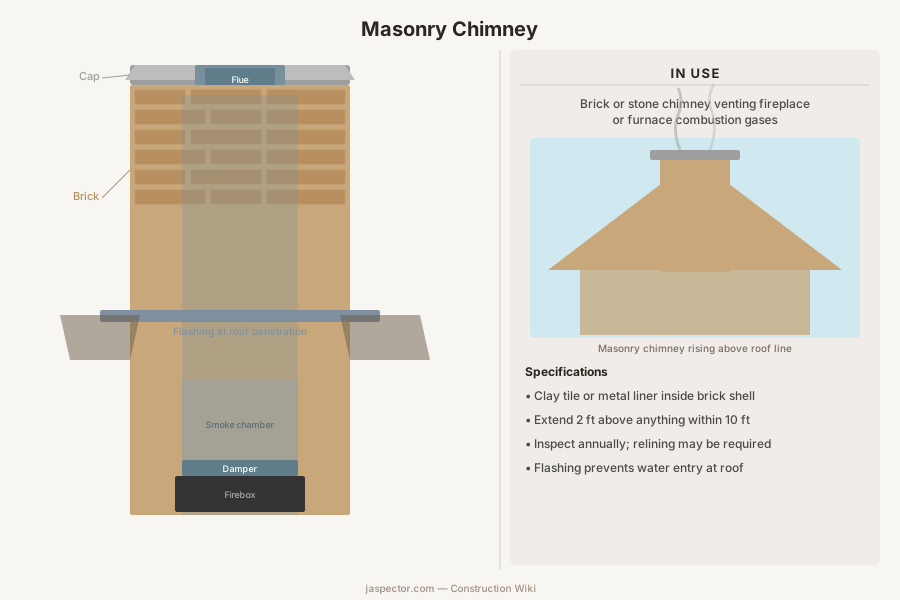
A masonry chimney is a brick, block, or stone chimney built with mortar that vents combustion gases from a fireplace, stove, boiler, or furnace.
What It Is
Unlike a factory-built metal chimney, a masonry chimney is assembled on site from individual masonry units. It usually contains one or more flues lined with clay tile, listed metal liner systems, or cast-in-place liners, all surrounded by masonry that provides structure, weather resistance, and fire separation.
Masonry chimneys are heavy and depend on proper footing support. They also rely on details such as a crown, cap, flashing, and liner to stay safe and dry over time. Once water gets into the masonry, freeze-thaw damage and mortar failure can accelerate quickly.
Types
Common residential masonry chimneys are brick chimneys, concrete block chimneys with a veneer finish, and stone chimneys. Some serve open wood-burning fireplaces, while others vent listed appliances through a properly sized flue liner.
The flue system matters as much as the exterior material. Older chimneys may have clay tile liners, while repaired or upgraded systems may use insulated stainless-steel liners to suit a wood stove, gas insert, or high-efficiency conversion.
Where It Is Used
Masonry chimneys are found on older homes, homes with traditional fireplaces, and houses where the chimney mass rises through the interior or along an exterior wall. They may project above the roofline from a foundation-supported stack that continues down through the structure.
How to Identify One
You can identify a masonry chimney by its brick, stone, or block construction with visible mortar joints. It will be much thicker and heavier-looking than a round or boxed-in factory-built metal chimney. Cracked crowns, spalling brick faces, open mortar joints, and rust stains around the top are common visual clues of age-related deterioration.
Replacement
Masonry chimneys are repaired more often than fully replaced. Tuckpointing, crown repair, flashing replacement, partial rebuilding above the roofline, or liner installation are common corrective measures. Full replacement is structural masonry work that usually requires a mason or chimney specialist, and any venting changes must match the connected appliance listing and code requirements.
Frequently Asked Questions
Masonry Chimney — FAQ
- Does a masonry chimney need a liner?
- Yes in most practical cases. The liner protects the masonry from heat and corrosive flue gases and helps the chimney draft correctly for the connected appliance. Many older chimneys have damaged clay liners or no suitable liner for modern inserts, which is why inspections often recommend a stainless-steel retrofit liner.
- What are the warning signs that a masonry chimney needs repair?
- Loose bricks, missing mortar, water stains indoors, white powdery deposits, and pieces of flue tile in the cleanout are all warning signs. If the chimney is leaning, shedding bricks, or letting water into the attic or fireplace surround, it needs prompt professional evaluation.
- Can I use a fireplace if the chimney has cracked mortar?
- Not until it has been inspected. Surface wear may be minor, but cracks can also indicate liner failure or unsafe heat transfer into surrounding framing. A chimney sweep or chimney contractor can determine whether the system is still safe to operate.
- How long does a masonry chimney last?
- The structure can last for decades, but only if water is controlled and maintenance is timely. Crowns, caps, flashing, mortar joints, and liners often need repair long before the full chimney reaches the end of its service life.
Have a question about your project? Get personalized answers from our team — $9/mo.
MembershipAlso in Fire Safety
- Chimney Insert Chimney System
- Chimney Liner Chimney System
- Metal Chimney
- Smoke Detector Detection & Alarm
- Smoke Sensor Detection & Alarm
- Carbon Monoxide Alarm Detection & Alarms
- CO Sensor (Carbon Monoxide Sensor) Detection & Alarms
- Fire Door Doors