Landscape Pin - Ground Staple for Fabric and Edging
A landscape pin is a metal or plastic stake used to anchor landscape fabric, edging, turf, or drip tubing to the ground.
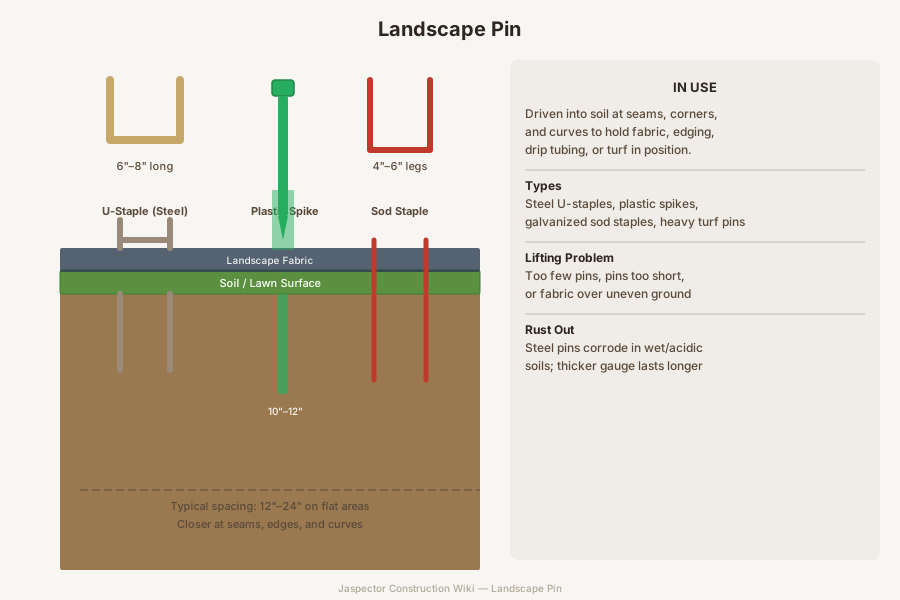
What It Is
Landscape pins are simple anchoring fasteners driven into soil to hold lightweight landscape materials in position. They are commonly U-shaped steel staples, long plastic spikes, or barbed pins sized to resist pullout in loose ground.
Even though they are small, they matter because ground-cover materials fail quickly if they shift, billow, or lift before the surface cover is installed. The right pin spacing keeps fabric flat, edging aligned, and tubing routed where it belongs.
Types
Common types include steel fabric staples, plastic anchoring spikes, galvanized sod staples, and longer heavy-duty pins for artificial turf or thick edging. Length and shape vary based on soil firmness and the material being secured.
Where It Is Used
Landscape pins are used in mulch beds, gravel areas, artificial turf layouts, erosion-control blankets, drip irrigation runs, and flexible edging installations. They are driven at seams, corners, curves, and high-lift areas to prevent movement.
How to Identify One
Look for U-shaped staples or spikes driven flush or nearly flush with the soil surface through fabric, tubing straps, or edging tabs. In older beds, the pin may be hidden just under mulch with only a slight hump or exposed top visible.
Replacement
Replacement is needed when pins rust away, pull loose, bend during installation, or are too short to hold in the site soil. If materials keep lifting or shifting, adding longer or more frequent pins is often the real fix rather than reinstalling the surface material alone.
Frequently Asked Questions
Landscape Pin — FAQ
- What are landscape pins used for?
- They hold landscape fabric, edging, irrigation tubing, turf, or blankets in place against the ground. Without enough pins, those materials can move before the project is finished.
- How far apart should landscape pins be installed?
- That depends on the material and the soil, but seams, edges, and curves usually need closer spacing than flat open areas. Loose soil and windy sites also call for more pins.
- Why does my landscape fabric keep lifting up?
- The usual reasons are too few pins, pins that are too short, or fabric laid over uneven ground. Surface cover like mulch or stone also helps keep the fabric down once installed.
- Do landscape pins rust out?
- Steel pins can rust over time, especially in wet or acidic soils. If long service life matters, material choice and pin thickness make a difference.
Have a question about your project? Get personalized answers from our team — $9/mo.
MembershipAlso in Landscaping
- Erosion Mat Erosion Control
- Berm Grading & Drainage
- Landscape Fabric
- Pea Gravel Ground Cover & Aggregate
- Edging Board Hardscaping
- Flagstone Hardscaping
- Paver Hardscaping
- Drip Emitter Irrigation