Kitchen Drain - Sink Waste Assembly and Leak Guide
A kitchen drain is the drain assembly that carries wastewater from the kitchen sink into the home's drain and waste piping.
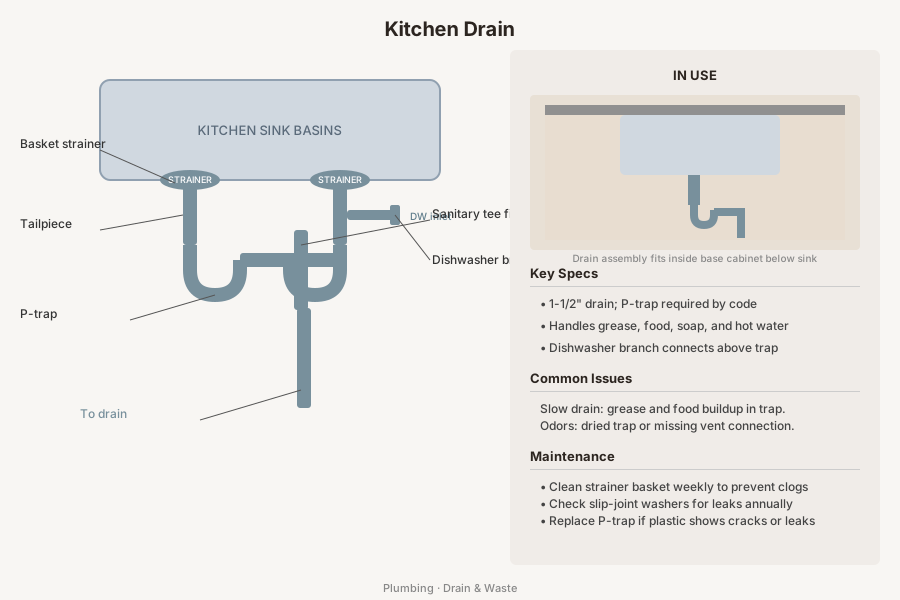
What It Is
A kitchen drain includes the sink basket strainer or flange, tailpiece, trap arm connection, and the fittings that direct wastewater away from the sink basin. On many sinks it also ties in a dishwasher branch tailpiece or a garbage disposal before reaching the trap.
The assembly matters because kitchen drains handle grease, food debris, soap, and frequent daily use. When the drain leaks, clogs, or is assembled incorrectly, homeowners usually notice cabinet damage, odors, or slow drainage quickly.
Types
Common configurations include basket-strainer drains, garbage-disposal-connected drains, double-bowl continuous waste assemblies, and single-bowl sink drains. Materials may be plastic tubular fittings, brass, or stainless components at the sink opening.
Where It Is Used
Kitchen drains are used below kitchen sinks in houses, apartments, accessory dwelling units, and commercial-style residential kitchens. They connect the fixture to the branch drain in the wall or floor.
How to Identify One
Look inside the sink for the metal or composite strainer opening, then inside the base cabinet for the tailpieces, branch fittings, and trap connection below it. On a double sink, the two bowls often join into one drain path before the trap.
Replacement
Replacement is common when the basket strainer leaks, tubular slip-joint fittings crack, a disposal connection changes, or corrosion makes the assembly impossible to tighten reliably. Most repairs are accessible from inside the sink cabinet, but correcting poor drain layout may require replumbing beyond the visible fittings.
Frequently Asked Questions
Kitchen Drain — FAQ
- Why is my kitchen drain leaking under the sink?
- The most common causes are a loose slip-joint nut, a worn washer, a failing basket strainer, or a cracked tubular fitting. Leaks can also come from the disposal connection or the trap adapter in the wall.
- What is the difference between a kitchen drain and a P-trap?
- The kitchen drain is the broader sink drain assembly. The P-trap is one specific curved section in that assembly that holds water to block sewer gas.
- Can a homeowner replace a kitchen drain assembly?
- Often yes, especially for accessible basket strainers and tubular fittings. The work gets more involved if the sink has a disposal, a double-bowl waste arm, or misaligned piping in the wall.
- Why does my kitchen drain clog so often?
- Grease, food scraps, and poor drain slope are the usual reasons. A partial blockage in the trap arm or branch line can also make the sink back up repeatedly.
Have a question about your project? Get personalized answers from our team — $9/mo.
MembershipAlso in Plumbing
- ADA Shower Seat Accessibility
- Fold-Down Seat Accessibility
- Backflow Preventer Backflow & Cross-Connection
- Pressure Vacuum Breaker Backflow Prevention
- Toilet Bath Fixtures
- Toilet Bowl Bath Fixtures
- Toilet Tank Bath Fixtures
- Toilet Tank Gasket Bath Fixtures