Ice Dam - Roof Edge Ice Backup Damage Guide for Homes
An ice dam is a ridge of ice at a roof edge that blocks meltwater from draining off the roof and can force water back under the roofing.
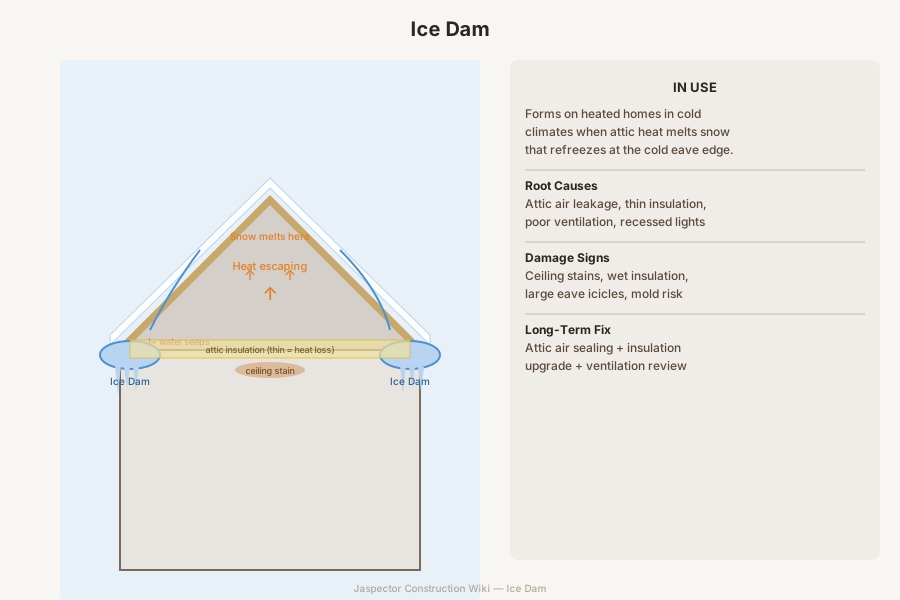
What It Is
Ice dams form when heat from the house warms the roof deck enough to melt snow higher up on the roof while the colder eave area stays below freezing. The meltwater runs down, refreezes near the edge, and builds a barrier that traps more water behind it.
The visible ridge of ice is only part of the problem. The bigger concern is the backed-up water that can move under shingles, wet roof sheathing, stain ceilings, rot trim, and soak insulation.
Where It Is Used
Ice dams occur on sloped roofs in cold climates, especially on heated homes with attic air leakage, weak insulation, or uneven roof temperatures. They are most common at eaves over living space, valleys, and roof transitions where meltwater concentrates.
How to Identify One
Look for a thick ridge of ice at the lower roof edge, large edge icicles, or water staining on interior ceilings and exterior trim after snow events. A roof that sheds snow unevenly or shows warm melt patterns can also point to conditions that lead to ice dams.
Replacement
An ice dam is not replaced like a part, but the roof details that contribute to it often are. Long-term correction usually involves attic air sealing, insulation upgrades, ventilation review, and in some cases reroofing details such as improved underlayment or edge protection.
Frequently Asked Questions
Ice Dam — FAQ
- Do gutters cause ice dams?
- Not by themselves. Ice dams are mainly driven by heat loss and roof temperature differences, though clogged or poorly draining gutters can make roof-edge ice problems worse.
- Can an ice dam damage the inside of a house?
- Yes. The backed-up meltwater can get under shingles and leak into the roof assembly, leading to stains, wet insulation, mold, and finish damage.
- Will roof heat cable solve ice dams permanently?
- Usually not. Heat cable can create drainage channels and reduce immediate backup, but the lasting fix is to address attic heat loss, insulation, and ventilation.
- How do I know if my house is prone to ice dams?
- Past winter leaks, heavy icicles at roof edges, uneven snow melt, and warm attic conditions are strong clues. Homes with recessed lights, attic bypasses, or thin insulation near eaves are common candidates.
Have a question about your project? Get personalized answers from our team — $9/mo.
MembershipAlso in Roofing
- Asphalt Shingle Types: 3-Tab vs. Architectural Asphalt Shingles
- How Long Asphalt Shingles Last Asphalt Shingles
- Asphalt Shingle Installation: What to Expect Asphalt Shingles
- Gable Vent Attic Ventilation
- Soffit Vent Attic Ventilation
- Turbine Vent Attic Ventilation
- Chase Cover Chimney System
- Chimney Cap Chimney System