Gutter — Overflow, Sagging, and Replacement Guide Home
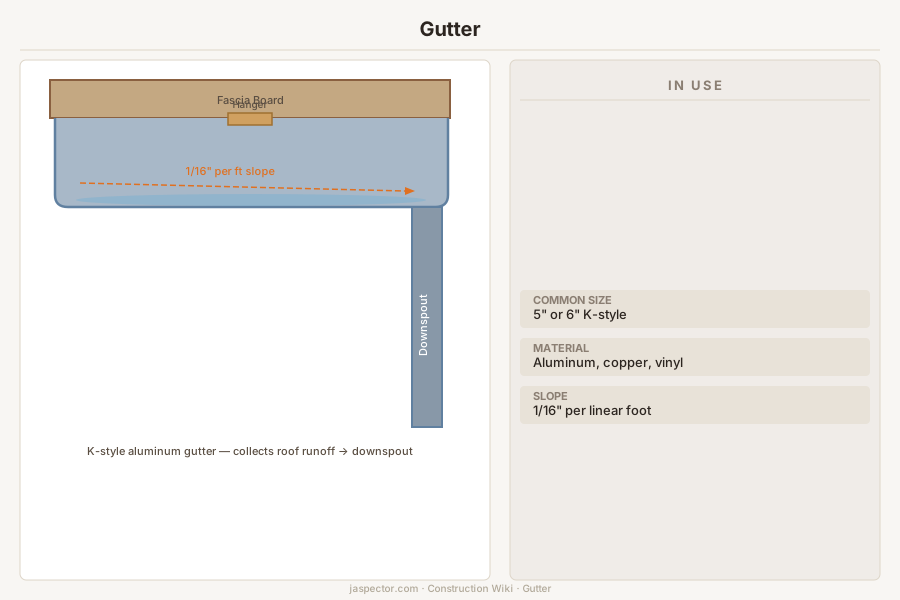
A gutter is the roof-edge channel that collects rainwater and directs it to downspouts so runoff moves away from the house.
What It Is
Gutters catch water shedding off the roof and keep it from pouring directly beside the foundation, siding, windows, and landscaping. They are simple in concept, but slope, fastening, seams, and downspout placement all matter to performance.
When gutters overflow or detach, water can damage fascia, soil, walkways, and basements. That is why even small leaks or sagging sections deserve attention.
Types
Common types include K-style gutters, half-round gutters, box gutters, sectional gutters, and seamless aluminum systems. Material choices include aluminum, steel, copper, and vinyl.
Where It Is Used
Gutters are used along roof eaves on houses, garages, porches, sheds, and many small commercial buildings. Some homes rely on roof overhang design instead, but most benefit from controlled drainage.
How to Identify One
Look at the roof edge for a horizontal trough connected to one or more downspouts. Standing water, rust streaks, peeling paint on fascia, or plants growing inside the trough are common warning signs.
Replacement
Replacement is needed when gutters sag, leak at many seams, pull away from the fascia, rust through, or were undersized for the roof area. A replacement system should include proper slope and downspout capacity, not just a new trough.
Frequently Asked Questions
Gutter — FAQ
- Why do gutters overflow during heavy rain?
- Clogs are common, but overflow can also come from poor slope, too few downspouts, or gutters that are too small for the roof area. Splashing at one spot often means the problem starts upstream.
- How often should gutters be cleaned?
- Many homes need cleaning at least once or twice a year, especially if trees overhang the roof. Homes in heavy leaf or pine needle areas may need more frequent service.
- Can sagging gutters damage the roof edge?
- Yes. Water can back up behind the gutter, rot the fascia, and loosen the fasteners further. Left alone, the damage usually spreads beyond the gutter itself.
- Are seamless gutters better than sectional gutters?
- Often yes, because they have fewer joints that can leak. They still need good installation, slope, and hanger spacing to perform well.
Have a question about your project? Get personalized answers from our team — $9/mo.
MembershipAlso in Roofing
- Asphalt Shingle Types: 3-Tab vs. Architectural Asphalt Shingles
- How Long Asphalt Shingles Last Asphalt Shingles
- Asphalt Shingle Installation: What to Expect Asphalt Shingles
- Gable Vent Attic Ventilation
- Soffit Vent Attic Ventilation
- Turbine Vent Attic Ventilation
- Chase Cover Chimney System
- Chimney Cap Chimney System