Grounding Electrode — Service Grounding Explained Guide
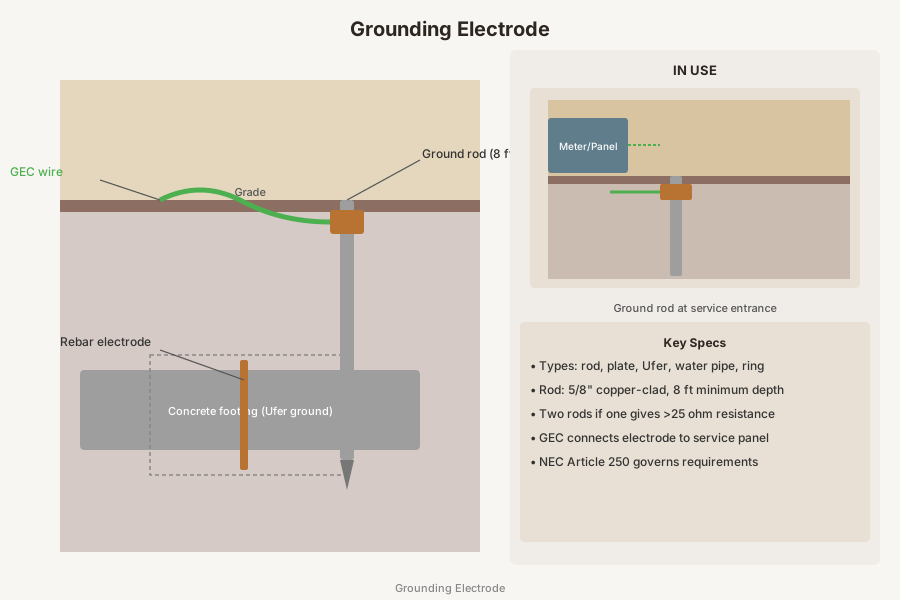
A grounding electrode is the rod, pipe, plate, or other approved conductor connection that ties a building's electrical grounding system to the earth.
What It Is
The grounding electrode system gives the electrical service a reference to earth and helps stabilize voltage during lightning, surges, and fault conditions. In homes, this may include driven ground rods, concrete-encased electrodes, metal underground water pipe, or other code-recognized electrodes.
The electrode is not the same thing as the equipment grounding conductor inside branch-circuit wiring, but the systems are connected together at the service. Good grounding and bonding are foundational to electrical safety.
Types
Common grounding electrodes include ground rods, concrete-encased electrodes, ground rings, metal building steel, and qualifying underground metal water pipe. More than one electrode may be bonded together as a grounding electrode system.
Where It Is Used
Grounding electrodes are used at the electrical service entrance of houses, garages, outbuildings, and larger structures. They are often located outside near the meter or main panel, or embedded in the building foundation.
How to Identify One
Look for a grounding electrode conductor leaving the service equipment and running to a ground rod, clamp on a metal water pipe, or another listed electrode location. Loose clamps, corrosion, missing bonding jumpers, or cut conductors are problems worth correcting.
Replacement
Replacement or upgrading is needed when the electrode conductor is damaged, the clamp corrodes, the existing electrode no longer meets code, or service upgrades require a compliant grounding electrode system. The work should follow the applicable electrical code and utility rules.
Frequently Asked Questions
Grounding Electrode — FAQ
- Is a grounding electrode the same as a ground wire in an outlet?
- No. Outlet ground wires are equipment grounding conductors for branch circuits, while the grounding electrode system connects the service grounding system to the earth.
- Can a house have more than one grounding electrode?
- Yes. Many homes have a grounding electrode system made up of multiple bonded electrodes, such as two rods plus a metal water pipe or concrete-encased electrode.
- What does a ground rod actually do?
- It helps connect the service grounding system to earth for voltage stabilization and surge events. It is only one part of the larger grounding and bonding system.
- Should a loose grounding clamp be fixed quickly?
- Yes. A poor grounding connection undermines the integrity of the electrical safety system and should be corrected before it corrodes or disconnects further.
Have a question about your project? Get personalized answers from our team — $9/mo.
MembershipAlso in Electrical
- Range Outlet Appliance Circuits
- Appliance Whip Appliance Connections
- Dishwasher Cord Appliance Connections
- Dryer Cord Appliance Connections
- Range Cord Appliance Connections
- Generator Backup Power
- Transfer Switch Backup Power
- Box Cover Boxes