Glulam — Engineered Beam Uses and Structural Repair
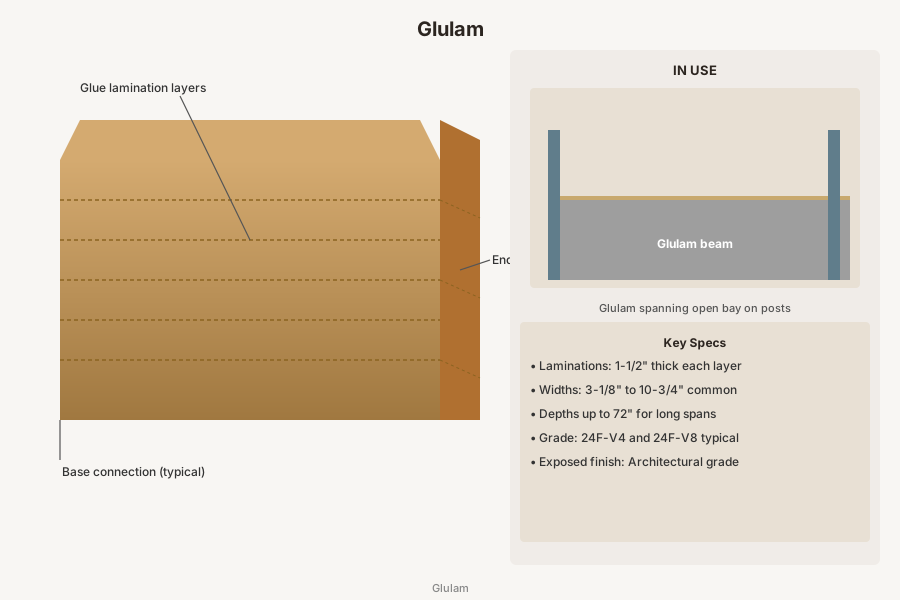
A glulam is a glued laminated timber beam made from multiple wood laminations bonded together to form a strong engineered structural member.
What It Is
Glulam beams are manufactured by stacking and gluing dimension lumber laminations so the finished member can span farther and carry more load than a comparable sawn timber. They are engineered products, not just thicker boards nailed together.
Because the laminations can be arranged for strength and appearance, glulams are used where both structure and finished aesthetics matter. They often remain exposed in vaulted rooms, porches, and large openings.
Types
Common types include straight glulam beams, curved glulam members, stock beams for residential headers, and custom large-span members for decks, roofs, and commercial structures. Appearance grades vary for exposed and concealed use.
Where It Is Used
Glulam is used for long-span headers, ridge beams, porch beams, deck beams, floor girders, and exposed roof structures. It is common where ordinary sawn lumber would be too weak or too deep for the opening.
How to Identify One
Look for a large wood beam with visible horizontal laminations bonded together across its depth. Manufacturer stamps, engineered sizing, and a cleaner, more uniform appearance than rough-sawn timbers are typical clues.
Replacement
Replacement is needed when a glulam has severe rot, delamination, fire damage, notching beyond design limits, or structural overstress. Because it is a load-bearing member, repairs and replacement should follow an engineered plan.
Frequently Asked Questions
Glulam — FAQ
- Is glulam stronger than solid wood?
- For many structural applications, yes. The manufacturing process creates a more predictable engineered member that can span farther and carry more design load than comparable solid sawn lumber.
- Can a glulam beam be left exposed indoors?
- Yes, and that is common. Many glulams are ordered in appearance grades meant to remain visible in finished spaces.
- What causes a glulam to fail?
- Moisture intrusion, prolonged overloading, improper cutting or drilling, and unsupported modifications are common causes. Surface checks can be normal, but deep deterioration is not.
- Can a damaged glulam be repaired?
- Sometimes, depending on the location and severity of the damage. Because it is structural, repairs should be designed rather than improvised.
Have a question about your project? Get personalized answers from our team — $9/mo.
MembershipAlso in Structural
- Access Panel Access & Openings
- Attic Hatch Access & Openings
- Construction Adhesive Adhesives & Sealants
- J-Bolt Anchorage
- Expansion Anchor Anchors & Fasteners
- Molly Bolt Anchors & Fasteners
- Baffle (Attic Rafter Vent) Attic & Roof
- Attic Hatch Cover Attic Access