Glazing — Window Infill Types and Replacement Guide
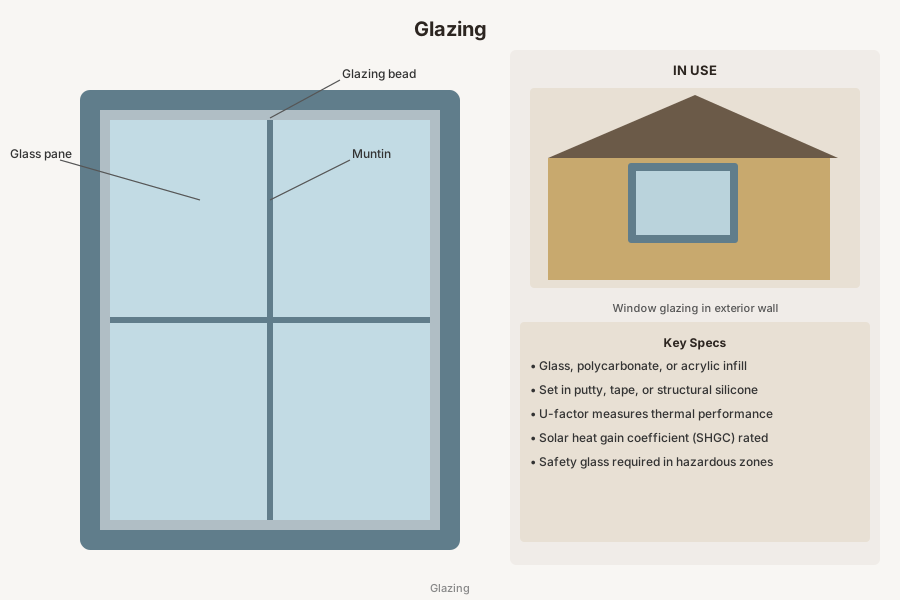
Glazing is the glass or plastic infill installed within a window or door frame to admit light while helping control weather, sound, and heat transfer.
What It Is
In building terms, glazing means the transparent or translucent material set into a sash, frame, or door panel opening. It can be single-pane glass, insulated glass, laminated safety glass, acrylic, polycarbonate, or another listed infill product.
The glazing works together with spacers, seals, gaskets, and frame details to resist water and air leakage. When any part of that assembly fails, homeowners notice fogging, drafts, or rattling.
Types
Common glazing types include single glazing, double glazing, triple glazing, tempered safety glazing, laminated glazing, low-e coated glazing, and plastic glazing used in some storm or utility applications.
Where It Is Used
Glazing is used in windows, exterior doors, skylights, interior vision panels, storm doors, and some guard or partition systems. The product type changes with code, energy goals, and impact-resistance needs.
How to Identify One
Look for the clear or translucent infill within the frame rather than the frame itself. Edge seals, spacer bars between panes, safety marks, and glazing beads help show what kind of glazing the assembly uses.
Replacement
Replacement is needed when the glazing cracks, fogs between panes, loses impact resistance, or no longer meets energy or safety requirements. The replacement must match the frame system and the original performance rating where required.
Frequently Asked Questions
Glazing — FAQ
- What is the difference between glazing and glass?
- Glass is one material, while glazing is the broader building term for the transparent infill assembly in a frame. Glazing can also include plastic materials and insulated multi-pane units.
- What does double glazing mean?
- It means the unit uses two panes separated by a spacer and sealed airspace. That assembly improves energy performance and usually reduces condensation and outside noise compared with single-pane glazing.
- Can glazing be plastic instead of glass?
- Yes. Some storm panels, greenhouses, and utility applications use acrylic or polycarbonate glazing instead of glass.
- Why does glazing fail in older windows?
- Seal breakdown, frame movement, UV exposure, and repeated wetting can all contribute. Once the edge seal or support details fail, drafts, rattling, and condensation become more likely.
Have a question about your project? Get personalized answers from our team — $9/mo.
MembershipAlso in Exterior
- Extension Ladder Access & Safety
- Concealed Hinge Cabinet Hardware
- Board and Batten Cladding
- EIFS (Exterior Insulation Finish System) Cladding
- Hardboard Siding Cladding
- Shake Siding Cladding
- Siding Cladding
- Stone Veneer Cladding