Gas Valve — Burner Control, Failure Signs, and Replacement
A gas valve is a control valve that opens, closes, or modulates fuel flow to a burner or gas-fired appliance.
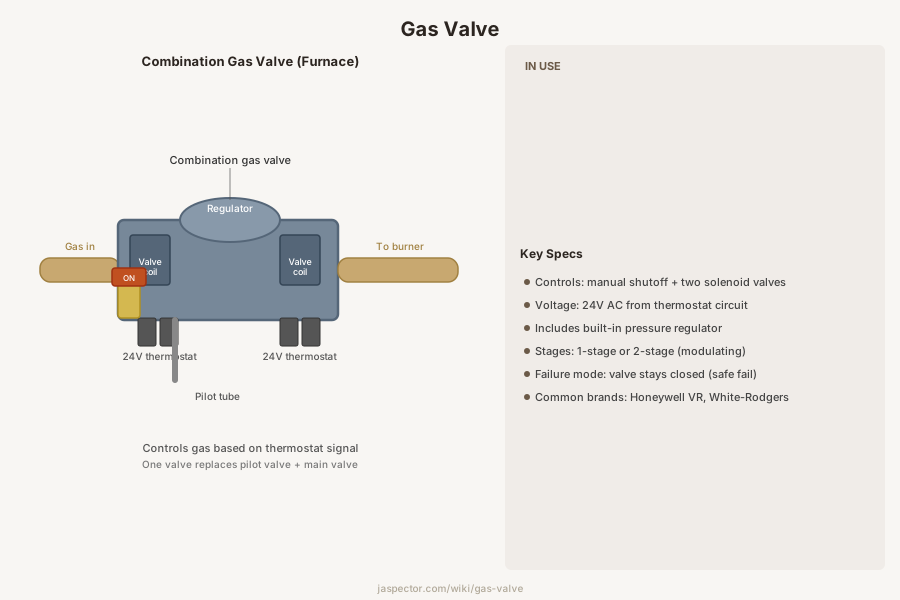
What It Is
In residential equipment, a gas valve may be a manual shutoff, an appliance combination gas valve, or another control assembly that meters fuel to the burners. On furnaces, boilers, and water heaters, the valve works with ignition controls and safety devices so gas flows only when the appliance is supposed to fire. Combination gas valves contain redundant solenoids — two valves in series — so that a single solenoid failure alone cannot release unburned gas into the combustion chamber.
When a gas valve fails, the appliance may not light, may shut down unexpectedly, or may show ignition and burner problems that look similar to sensor or control issues. Diagnosis matters because the valve is only one part of the firing sequence, and other components — the thermocouple, pressure switch, or control board — can produce similar symptoms. A technician typically tests for 24-volt signal at the valve terminals; if voltage is present but the valve does not open, the valve itself has failed.
Because the gas valve controls the actual release of fuel, any leak at the valve body or valve seat is a safety emergency. A faint gas odor near an appliance that cannot be attributed to a loose connection at the flex line should be investigated by a licensed technician immediately. Natural gas supply pressure in residential systems is typically 7 inches of water column (1/4 PSI), and the combination valve regulates it down to the manifold pressure specified by the appliance manufacturer — commonly 3.5 inches WC for natural gas.
Types
Common types include manual appliance shutoff valves with a 1/4-turn lever handle, combination gas control valves on furnaces and boilers, millivolt fireplace gas valves that operate on the small voltage generated by a thermopile, and thermostatic gas control valves on standing-pilot water heaters that integrate temperature control and safety shutoff in one unit. Each type is matched to a specific appliance and fuel pressure range.
Some combination valves also include the pressure regulator, redundant safety solenoids, and the ignition system interface in a single component. Modulating gas valves, found in high-efficiency condensing furnaces, can vary gas flow to match the heating load rather than operating in a simple on/off mode, which improves comfort and efficiency.
Where It Is Used
Gas valves are used on furnaces, boilers, fireplaces, water heaters, wall heaters, ranges, dryers, and branch gas piping. The exact form depends on whether the valve is serving as a manual shutoff or an automatic appliance control. The appliance combination valve is mounted directly on the burner assembly inside the appliance enclosure.
Manual shutoff valves are required within 6 feet of each gas appliance per IFGC Section 409.5, providing a way to isolate the appliance without shutting off gas to the entire building. In exposed piping runs, the shutoff valve handle is often painted or tagged for quick identification during emergencies.
How to Identify One
A manual gas valve will appear in the piping with a lever or handle — a 1/4-turn ball valve with a yellow handle is the most common residential type. An appliance gas valve is mounted at the burner assembly and connected to wiring or tubing from the control board. The combination valve body is typically a rectangular aluminum or cast-iron block with gas inlet and outlet ports, wiring connections, and a manufacturer label showing the model and fuel type.
If the appliance will not ignite, clicks without lighting, or loses flame control, the gas valve may be part of the problem — though other components in the ignition sequence should be tested systematically before condemning the valve.
Replacement
Replacement requires matching the exact valve type, fuel, pressure rating, and appliance compatibility. The replacement valve must be an OEM part or an approved equivalent that matches the original valve's mounting pattern, port sizes, and electrical connections. Because improper gas-valve work can create a major safety hazard, replacement normally includes leak testing at all joints, manifold pressure verification with a manometer, and a full appliance startup cycle to confirm proper ignition and flame establishment.
A licensed technician should perform the work in most jurisdictions where gas appliance work requires a permit. After replacement, the technician should verify that the valve's regulated outlet pressure matches the appliance nameplate specification and that the flame appearance is stable and blue across all burner ports.
Frequently Asked Questions
Gas Valve — FAQ
- What are the signs of a bad gas valve?
- Common signs include no gas flow to the burners, delayed ignition, burners that drop out, or an appliance that locks out after repeated startup attempts. Similar symptoms can also come from ignition, sensor, or control-board faults, so diagnosis should test each component systematically.
- Can a gas valve be cleaned instead of replaced?
- Not as a general homeowner fix. If a gas control valve is sticking or leaking, replacement is usually the correct path rather than disassembly and field repair. Internal gas valve components are precisely calibrated and are not serviceable by field staff in most cases.
- Is a gas valve the same as a shutoff valve?
- Sometimes, but not always. The term can refer to a simple manual shutoff or to the automatic control valve inside a gas appliance. Appliance combination gas valves are far more complex than manual shutoffs and include solenoids, regulators, and safety interlock features.
- Do I need a permit to replace a gas valve?
- Often yes, especially when the work affects fuel-gas piping or appliance controls. Local inspection is common because the valve directly controls gas flow, and the jurisdiction wants to confirm the replacement is correct and leak-free before the appliance returns to service.
- Why won't my furnace light if the gas valve is bad?
- The burners cannot ignite if the valve fails to open at the right time during the startup sequence. The control board may still run the inducer and igniter, which makes the symptoms look confusing without systematic testing of each component in the firing sequence.
Have a question about your project? Get personalized answers from our team — $9/mo.
MembershipAlso in Plumbing
- ADA Shower Seat Accessibility
- Fold-Down Seat Accessibility
- Backflow Preventer Backflow & Cross-Connection
- Pressure Vacuum Breaker Backflow Prevention
- Toilet Bath Fixtures
- Toilet Bowl Bath Fixtures
- Toilet Tank Bath Fixtures
- Toilet Tank Gasket Bath Fixtures