Fiber Cement Siding - Types, Uses, and Repair Guide
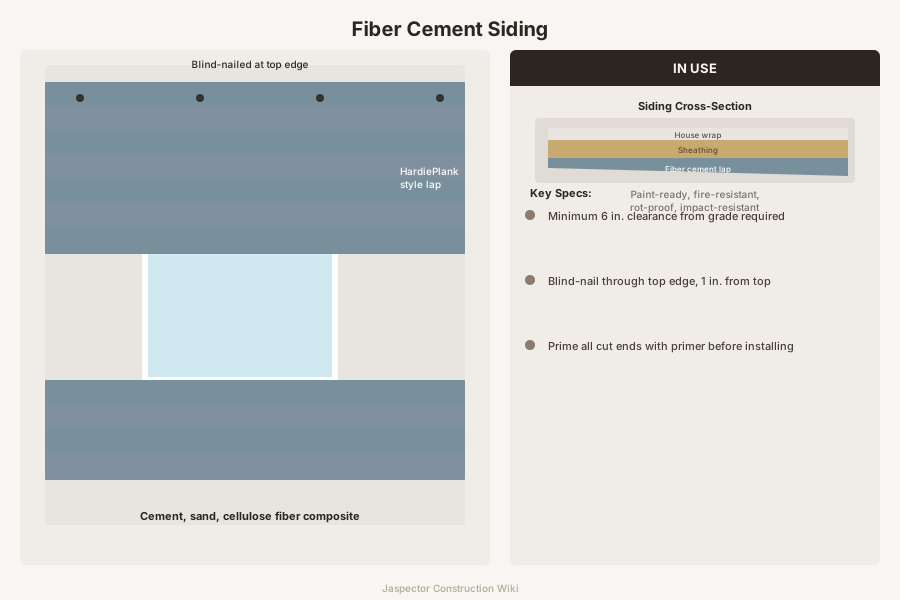
Fiber cement siding is a cement-based exterior cladding made with sand, cement, and cellulose fibers to mimic wood or smooth-finish siding with greater weather and fire resistance.
What It Is
Fiber cement siding is manufactured in boards, panels, or shingles that install over wall sheathing and a weather-resistant barrier. It is valued for durability, dimensional stability, and resistance to rot, insects, and noncombustible exposure better than many wood-based sidings.
It is still a system product, not just a board. Clearance above roofs and grade, flashing, joint treatment, fastening, and paint maintenance all affect how well the siding performs over time.
Types
Common types include lap siding, vertical panels, shingle-style pieces, and trim boards made from fiber cement. Some products come factory finished, while others are primed for field painting.
Where It Is Used
Fiber cement siding is used on houses, garages, additions, dormers, gables, and multifamily exterior walls. It is common where homeowners want a wood-look exterior with stronger resistance to weather, pests, and fire exposure.
How to Identify One
Fiber cement siding usually has a dense, rigid feel and a crisp manufactured edge compared with natural wood. It may be embossed with a wood-grain texture or finished smooth. On a cut edge, the material looks cementitious rather than fibrous like wood or hollow like vinyl.
Replacement
Replacement is needed when boards crack from impact, deteriorate from chronic moisture exposure, or were installed with poor clearances and flashing details that caused repeated damage. Small damaged sections can often be changed individually, but systemic installation defects may require broader corrective work.
Frequently Asked Questions
Fiber Cement Siding — FAQ
- Is fiber cement siding better than vinyl siding?
- They perform differently. Fiber cement is heavier, more rigid, and generally more resistant to impact and fire exposure, while vinyl is lighter and usually less expensive. The better choice depends on climate, budget, and installation quality.
- Does fiber cement siding need painting?
- Factory-finished products can go many years before repainting, but painted fiber cement still needs maintenance over time. The siding itself is durable, but the finish and caulk joints still age in the weather.
- How do I know if fiber cement siding needs replacement?
- Cracked boards, swelling from long-term moisture exposure, failed joints, peeling finish tied to water intrusion, and improper clearance at grade or roof lines are common clues. The visible board damage often points to a flashing or drainage detail that also needs correction.
- Can one piece of fiber cement siding be replaced?
- Yes, isolated damaged boards can often be replaced if the surrounding siding is still sound. Matching the profile, reveal, and finish color is easier when the product line is still available.
- Do I need a permit to replace fiber cement siding?
- A few damaged boards may not trigger a permit, but larger re-siding projects often do. Local requirements also matter if the work changes weather barrier details, trim, or fire-resistance assemblies.
Have a question about your project? Get personalized answers from our team — $9/mo.
MembershipAlso in Exterior
- Extension Ladder Access & Safety
- Concealed Hinge Cabinet Hardware
- Board and Batten Cladding
- EIFS (Exterior Insulation Finish System) Cladding
- Hardboard Siding Cladding
- Shake Siding Cladding
- Siding Cladding
- Stone Veneer Cladding