Erosion Mat - Slope Stabilization and Installation Guide
An erosion mat is a rolled ground-cover material installed over soil to reduce washout while vegetation takes root.
What It Is
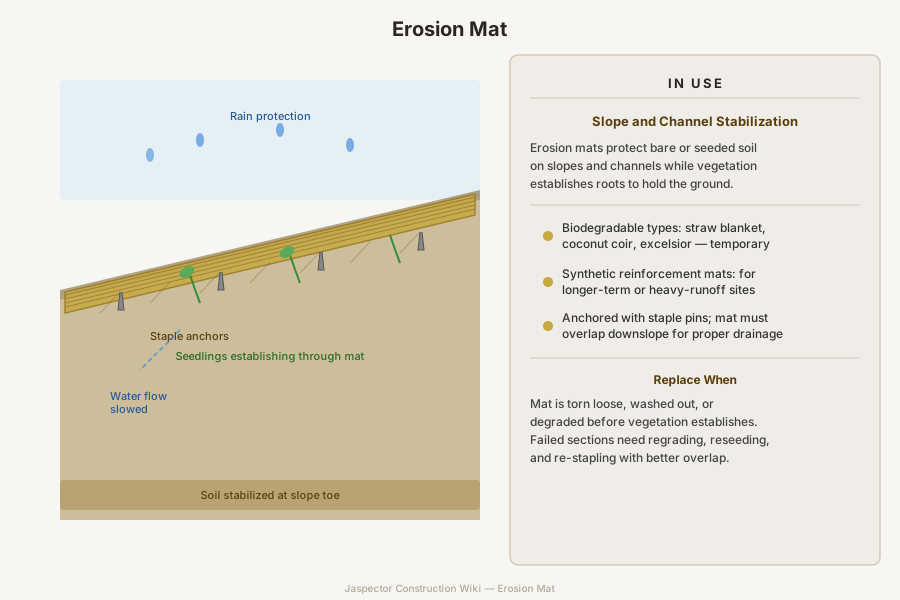
Erosion mats hold soil in place on slopes, channels, and disturbed ground where rain or runoff could carry it away before plants establish. The mat reduces surface erosion by shielding the soil, slowing water flow across the surface, and helping seed stay in contact with the ground.
Some mats are made from biodegradable straw, coconut fiber, or excelsior, while others use synthetic reinforcement for longer service. The right product depends on slope, runoff intensity, expected duration, and whether permanent vegetation or structural stabilization is the goal.
Types
Common types include straw blankets, coconut coir mats, excelsior blankets, and synthetic turf-reinforcement mats. Biodegradable products are common for temporary stabilization, while reinforced mats are used where longer-term erosion control is needed.
Where It Is Used
Erosion mats are used on graded yards, drainage swales, embankments, retention areas, new construction sites, and roadside slopes. They are especially common where freshly seeded soil would otherwise wash out before roots can hold it together.
How to Identify One
An erosion mat appears as a rolled blanket pinned over bare or seeded soil. Depending on the product, it may look like open netting, straw stitched between mesh, or a coarse natural-fiber blanket stapled to the slope.
Replacement
Replacement is needed when the mat tears loose, washes out, degrades before vegetation establishes, or was the wrong type for the runoff conditions. Failed sections are usually regraded, reseeded, and re-stapled with better overlap and anchoring.
Frequently Asked Questions
Erosion Mat — FAQ
- What does an erosion mat do?
- It helps keep soil from washing away while grass or other plants establish roots. That protects the slope or drainage area from ruts, bare patches, and muddy runoff.
- Is an erosion mat the same as landscape fabric?
- No. Landscape fabric is usually used for weed suppression, while an erosion mat is designed to stabilize soil and support seed establishment on exposed ground.
- How long does an erosion mat stay in place?
- That depends on the material. Biodegradable mats may break down after vegetation is established, while synthetic reinforcement mats are designed for longer-term performance.
- When does an erosion mat need replacing?
- Replace it if runoff has torn it loose, exposed bare soil again, or left gullies forming beneath it. A failed mat usually means the anchoring, overlap, or product selection was not enough for the site conditions.
- Can I install an erosion mat myself?
- Small residential slopes can be manageable for a homeowner if the ground is prepared correctly and the mat is anchored well. Larger channels, steep embankments, or areas with heavy runoff are better handled with a more engineered approach.
Have a question about your project? Get personalized answers from our team — $9/mo.
MembershipAlso in Landscaping
- Berm Grading & Drainage
- Landscape Fabric Ground Cover
- Landscape Pin Ground Cover
- Pea Gravel Ground Cover & Aggregate
- Edging Board Hardscaping
- Flagstone Hardscaping
- Paver Hardscaping
- Drip Emitter Irrigation