Electrical Panel — box that distributes house power
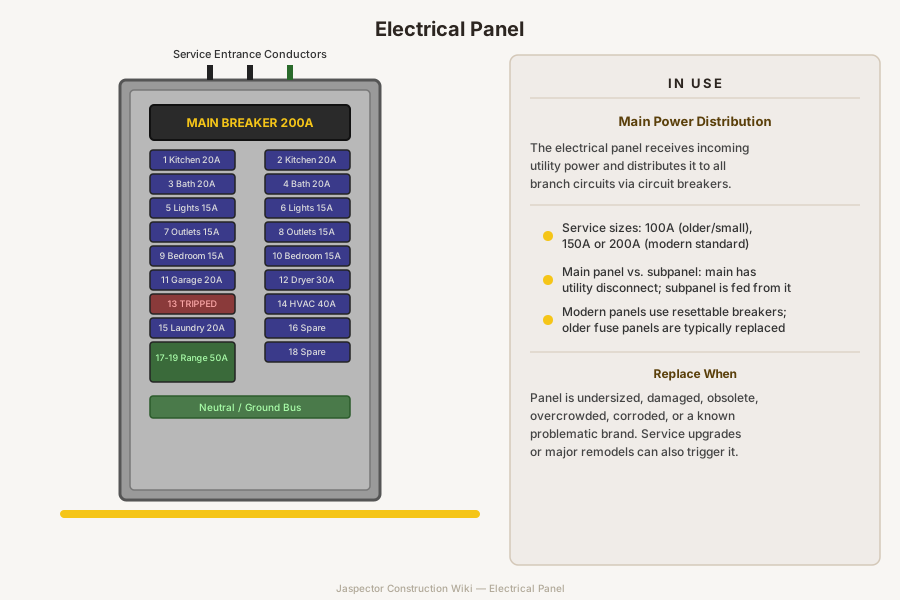
An electrical panel is the main distribution point that receives incoming power and sends it out to a building's branch circuits.
What It Is
The electrical panel contains circuit breakers or fuses that protect individual circuits from overloads and faults. It is the control center of the home's electrical system and often includes the main disconnect.
Panel capacity, condition, and brand matter because they affect safety, future upgrades, and insurance concerns. Overcrowding, corrosion, heat damage, and obsolete equipment can all signal a problem.
Types
By service size: 100-amp panels are common in older or smaller homes; 150- and 200-amp panels are standard in modern homes; larger services exist for high-demand properties. Service size determines how much total load the home can support.
Main panel vs. subpanel: The main panel receives power from the utility and contains the main disconnect. A subpanel is a secondary distribution point fed from the main panel, commonly added for a garage, workshop, or addition.
Breaker panel vs. fuse panel: Modern homes use circuit breakers, which can be reset after a trip. Older homes may still have fuse panels with screw-in fuses that must be replaced. Fuse panels are typically replaced during service upgrades.
Where It Is Used
Electrical panels are used in homes, garages, apartments, and commercial buildings. In houses, they are commonly located in utility rooms, basements, garages, or on exterior walls.
How to Identify One
Look for a metal cabinet with a hinged door and rows of circuit breakers inside. A main breaker, circuit directory, and knockout openings are common identifying features.
Replacement
Replacement is needed when the panel is undersized, damaged, obsolete, or unsafe for modern loads. Service upgrades often involve a new panel, new grounding work, and coordination with the utility.
Frequently Asked Questions
Electrical Panel — FAQ
- What is the difference between a breaker box and an electrical panel?
- They usually mean the same thing in residential conversation. Both refer to the enclosure that houses the circuit breakers and distributes power.
- How do I know if my panel is too small?
- Frequent breaker trips, a full panel with no room for new circuits, or major planned additions like EV charging can indicate the capacity is no longer adequate. A load calculation gives the real answer.
- Can I open my electrical panel?
- Opening the outer door to reset a breaker is normal. Removing the dead front cover exposes energized parts and should be left to qualified people.
- When should an electrical panel be replaced?
- Replacement is common when a panel is obsolete, damaged, rusted, overloaded, or tied to a known problematic brand. Service upgrades and major remodels can also trigger replacement.
Have a question about your project? Get personalized answers from our team — $9/mo.
MembershipAlso in Electrical
- Range Outlet Appliance Circuits
- Appliance Whip Appliance Connections
- Dishwasher Cord Appliance Connections
- Dryer Cord Appliance Connections
- Range Cord Appliance Connections
- Generator Backup Power
- Transfer Switch Backup Power
- Box Cover Boxes