Electrical Box — Types, Sizing, and Code Requirements
An electrical box is a code-required enclosure mounted in walls, ceilings, or floors that houses wire connections, switches, receptacles, or junction splices and protects them from physical damage and fire exposure.
What It Is
An electrical box is a protective enclosure that serves as the termination point for electrical wiring in a building. Every switch, receptacle, light fixture, and wire splice must be contained inside an approved box per NEC Article 314. The box contains heat and sparks from any arcing that might occur at the connections inside, preventing ignition of surrounding building materials such as wood framing, insulation, and drywall paper facing.
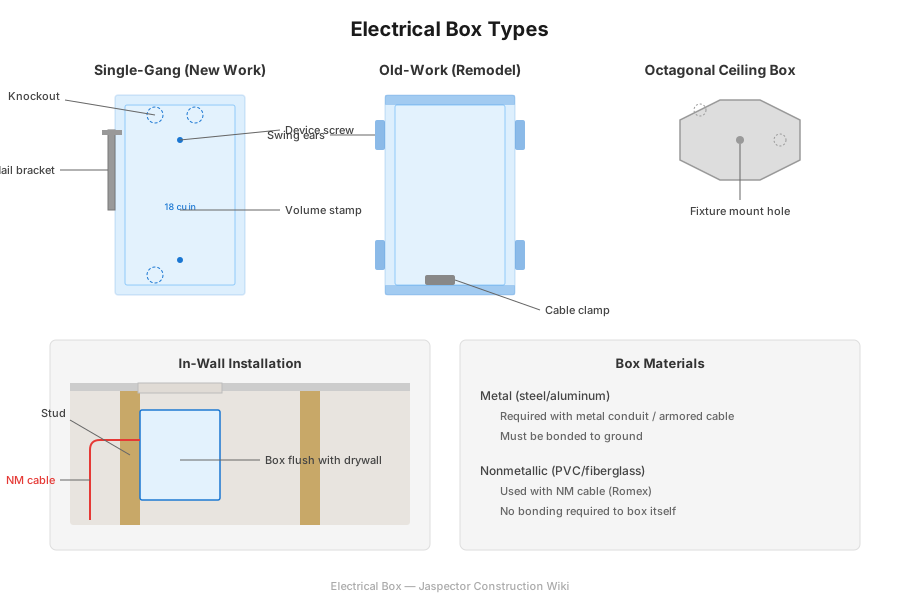
Boxes are made from metal (stamped steel or die-cast aluminum) or nonmetallic materials (PVC or fiberglass-reinforced polyester). Metal boxes must be grounded and are required when using metal conduit or armored cable. Nonmetallic boxes are used with nonmetallic sheathed cable (NM-B, commonly called Romex) in most residential wood-frame construction. The front edge of the box must sit flush with the finished wall surface — NEC 314.20 allows no more than 1/4 inch setback from a combustible wall surface.
Box volume determines how many conductors, devices, and clamps it can legally contain. NEC Table 314.16(A) assigns a cubic-inch allowance to each conductor based on wire gauge — for example, each 14 AWG conductor counts as 2.0 cubic inches and each 12 AWG conductor counts as 2.25 cubic inches. The device, clamps, and ground wires each add to the total required volume.
Types
Common types include single-gang boxes (18 to 22.5 cubic inches), double-gang boxes (34 to 36 cubic inches), and triple-gang boxes for installations with multiple switches or receptacles side by side. Round and octagonal ceiling boxes — typically 4 inches in diameter and 1-1/2 to 2-1/8 inches deep — are used for light fixtures and smoke detectors. The 4-inch square junction box with a volume of 21 cubic inches is the standard for wire splices and can accept a variety of cover plates including single-gang and double-gang mud rings.
Old-work (remodel) boxes have swing-out ears or flip-out wings that clamp against the back of the drywall, allowing installation in finished walls without access to framing. New-work boxes attach directly to exposed studs or joists with integral nails or adjustable brackets before drywall is hung. Weatherproof outdoor boxes are gasketed and rated for wet locations per NEC 314.15. Fan-rated ceiling boxes are reinforced and tested to support the dynamic load of a ceiling fan weighing up to 70 pounds.
Where It Is Used
Electrical boxes are installed at every switch location, every receptacle outlet, every light fixture mounting point, and every point where wires are spliced or branched. They are found inside walls, in ceilings, under floors, on the exterior of buildings, and in exposed installations in basements, garages, and commercial spaces. In attics and crawl spaces, junction boxes must remain accessible — they cannot be buried under insulation or sealed behind drywall without a removable cover.
How to Identify One
An electrical box is the metal or plastic enclosure visible when you remove a switch plate, outlet cover, or light fixture canopy. It is recessed into the wall or ceiling with its front edge flush with or slightly behind the finished surface, or surface-mounted in exposed installations such as garages and utility rooms. The box has knockouts or cable clamps where wires enter, and the interior typically contains wire nuts, push-in connectors, or wago-style lever connectors joining the circuit wires. The volume in cubic inches is usually stamped on the interior rear wall of nonmetallic boxes.
Replacement
Replace an electrical box when it is too small for the number of conductors it contains — a common code violation found during inspections when circuits have been added over the years without upsizing the box. A cracked or melted box, an overstuffed box that makes it difficult to fold wires back and seat the device, or an upgrade from a single-gang to a multi-gang box are all reasons for replacement.
Converting from a standard ceiling box to a fan-rated box is one of the most common residential box replacements. A standard lightweight ceiling box rated for 50 pounds cannot safely support the dynamic load of a spinning fan. Box replacement requires disconnecting all wiring, removing the old box, installing the new box with proper fasteners to the framing, and reconnecting all conductors to their original positions. An electrician typically charges 150 to 300 dollars per box for replacement in a finished wall or ceiling.
Frequently Asked Questions
Electrical Box — FAQ
- What size electrical box do I need?
- Box size depends on the number of conductors, clamps, devices, and ground wires inside. The NEC assigns a cubic-inch allowance to each item, and the box must have at least that total volume. A standard single-gang plastic box is typically 18 cubic inches, which accommodates a single device with a limited number of wires.
- Can I use a plastic electrical box with metal conduit?
- No. When using metal conduit or armored cable, a metal box is required to maintain the grounding continuity of the raceway system. Plastic boxes are approved for use with nonmetallic sheathed cable and nonmetallic conduit.
- What is the difference between old-work and new-work boxes?
- New-work boxes attach to exposed framing before drywall is installed and have nails or brackets for that purpose. Old-work boxes are designed for installation into finished walls and use swing-out ears or wings that clamp against the back of the drywall.
- Can I mount a ceiling fan to any electrical box?
- No. A ceiling fan requires a box specifically rated and listed for fan support, typically a metal box secured to the framing with through-bolts or a fan-rated brace bar. A standard lightweight ceiling box is only rated for fixtures up to 50 pounds and will not safely support the dynamic load of a fan.
- How much does it cost to replace an electrical box?
- An electrical box itself costs $1 to $15 depending on type and size. Electrician labor for box replacement in a finished wall typically runs $150 to $300 per box because accessing and replacing the box requires working inside the wall cavity.
Have a question about your project? Get personalized answers from our team — $9/mo.
MembershipAlso in Electrical
- Range Outlet Appliance Circuits
- Appliance Whip Appliance Connections
- Dishwasher Cord Appliance Connections
- Dryer Cord Appliance Connections
- Range Cord Appliance Connections
- Generator Backup Power
- Transfer Switch Backup Power
- Box Cover