Drip Emitter — Low-Flow Irrigation Outlet Types and Repair
A drip emitter is a small plastic outlet device installed on irrigation tubing that releases water at a controlled, low flow rate directly into the soil at a plant's root zone.
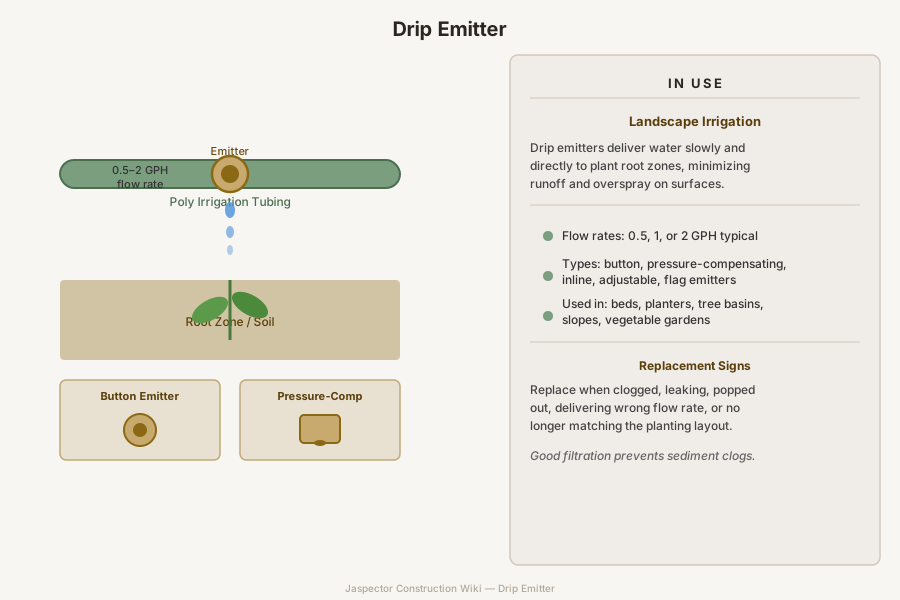
What It Is
A drip emitter meters water from the irrigation supply line and releases it slowly — typically at rates of 0.5, 1, or 2 gallons per hour — so the surrounding soil absorbs moisture gradually without runoff or puddling. By delivering water at the base of individual plants rather than broadcasting it across a wide spray pattern, drip emitters reduce evaporation, eliminate overspray onto walkways and structures, and minimize foliar wetting that encourages fungal disease.
Each emitter is a small molded plastic device with an internal flow-metering orifice. Pressure-compensating emitters use a flexible diaphragm to maintain a consistent flow rate regardless of pressure fluctuations along the supply line, which ensures uniform watering across a long irrigation run. Non-compensating emitters are simpler and less expensive but deliver more water at the near end of a run where pressure is highest.
Types
Button emitters are the most common type — a barbed body punches directly into half-inch poly tubing, and the button top can be twist-adjusted on some models to vary flow. Stake emitters mount on a small plastic stake to position the emitter near a plant base away from the main tubing run. Inline emitters are molded directly into drip tubing at fixed intervals and are used where uniform coverage is needed along a row. Flag emitters use a colored flag stake to mark the emitter position and are useful in mulched beds where emitters can get buried and forgotten. Multi-outlet emitters distribute flow to several microtubing runs from a single insertion point.
Where It Is Used
Drip emitters are used in landscape planting beds, vegetable gardens, raised planters, tree basins, container gardens, and on slopes where broadcast spray irrigation would cause erosion. They are connected to a half-inch or three-quarter-inch polyethylene supply line that is controlled by an irrigation zone valve, which in turn is managed by an automatic irrigation controller set to run for specific durations at programmed intervals.
How to Identify One
A drip emitter is a small — typically one-half to one-inch — plastic device visible at or just above soil level near the base of a plant. Button emitters are round with a ribbed or smooth top. A dripping or misting outlet confirms the emitter is operating. Inline emitters are internal to the tubing and visible only as a slight bulge or marked point on the tubing wall.
Replacement
Emitters should be replaced when they are clogged and cannot be cleaned, when the flow rate no longer matches the plant's needs, when they have been physically damaged, or when they have been dislodged from the tubing and lost. Replacing a single emitter takes only seconds — the old one is pulled from the tubing and a new one of the correct flow rate is pushed in. Running the zone after replacement confirms the emitter is seated and delivering water.
Frequently Asked Questions
Drip Emitter — FAQ
- Why is my drip emitter not dripping?
- The most common causes are a clogged orifice from sediment or mineral buildup, low pressure from a kinked supply line or closed upstream valve, or a failed emitter body. Soaking the emitter in white vinegar can clear mineral deposits. If the emitter remains dry after cleaning, replace it with a matching flow-rate unit.
- How many gallons per hour should a drip emitter deliver?
- Common residential emitters deliver 0.5, 1, or 2 gallons per hour. The right rate depends on the plant type, soil permeability, and how long the zone runs. Sandy soil benefits from higher flow rates spread over shorter runtimes, while clay soil needs lower flow rates over longer periods to avoid runoff.
- Can I replace one drip emitter myself?
- Yes, replacing a single emitter is one of the easiest irrigation repairs. Pull the old emitter from the tubing, select a replacement with the same flow rate, and push the barbed stem into the same hole in the tubing. Run the zone briefly to confirm the emitter is seated and delivering water at the expected rate.
- Why are some plants on my drip zone still dry even with working emitters?
- The emitter may be placed too far from the root zone, the water may be wetting only a small area if flow rate is too low for the soil type, or the zone runtime may be insufficient. Moving the emitter closer to the plant's root crown and increasing runtime or adding a second emitter are common solutions.
- What is the difference between a pressure-compensating and a standard drip emitter?
- A pressure-compensating emitter uses an internal diaphragm to deliver the same flow rate across a range of operating pressures, ensuring equal watering at every point on a long or hilly drip run. A standard emitter delivers flow proportional to line pressure, so plants near the zone valve get more water than those at the far end of the run.
Have a question about your project? Get personalized answers from our team — $9/mo.
MembershipAlso in Landscaping
- Erosion Mat Erosion Control
- Berm Grading & Drainage
- Landscape Fabric Ground Cover
- Landscape Pin Ground Cover
- Pea Gravel Ground Cover & Aggregate
- Edging Board Hardscaping
- Flagstone Hardscaping
- Paver Hardscaping