Copper Pipe - Plumbing Supply Line Repair Basics Guide
Copper pipe is metal plumbing tubing used to carry potable water, heating water, or refrigerant depending on the pipe type and system design.
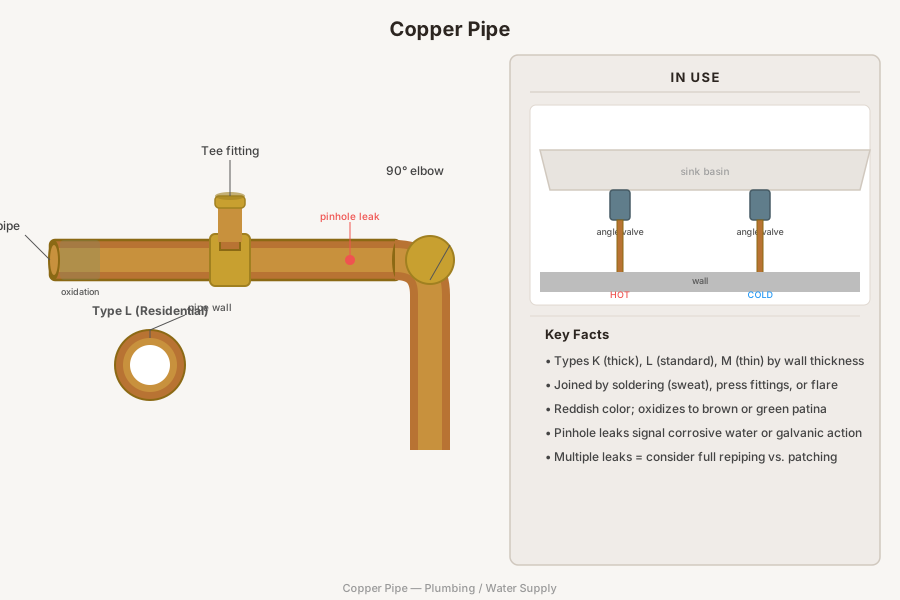
What It Is
Copper pipe has been a standard material for residential plumbing and mechanical systems for decades. It is durable, heat-tolerant, and available in several wall thicknesses and tempers for different uses.
Homeowners often think of copper pipe as one thing, but plumbing supply lines, hydronic heating tubing, and refrigeration lines can have different specifications. The exact type matters for corrosion resistance, joining method, and code compliance.
Types
Common plumbing types include Type K, Type L, and Type M copper tube. Soft copper is often used in coils or refrigeration applications, while rigid copper is used in straight plumbing runs.
Where It Is Used
Copper pipe is used in domestic water supply systems, hydronic heating, water service lines, refrigerant lines, and some gas or specialty installations depending on code and system type. It is often found in mechanical rooms, under sinks, in walls, and above ceilings.
How to Identify One
Copper pipe has a reddish-brown metallic appearance that may oxidize to a dull brown or greenish patina over time. It is usually joined with soldered fittings, press fittings, or flare connections depending on the application.
Replacement
Replacement is needed when leaks, pinholes, corrosion, freeze damage, or improper previous repairs affect the line. When copper starts failing in multiple places, the right solution may be partial repiping or full repiping rather than another isolated patch.
Frequently Asked Questions
Copper Pipe — FAQ
- Why does copper pipe develop pinhole leaks?
- Pinhole leaks can come from corrosion, aggressive water chemistry, poor installation practices, or long-term wear. One leak does not always mean the whole system is failing, but repeated leaks are a warning sign.
- Is copper pipe better than PEX?
- Each material has strengths. Copper is durable and heat-resistant, while PEX is flexible and often easier to install. The better choice depends on water quality, layout, local code, and repair strategy.
- Can a leaking copper pipe be repaired without replacing the whole line?
- Often yes, especially for isolated damage. But if leaks are appearing in multiple locations, a one-off repair may only delay a larger repiping decision.
- What is the green buildup on copper pipe?
- That is often corrosion or oxidation at the pipe surface or around a slow leak. It does not always mean immediate failure, but it should be checked rather than ignored.
Have a question about your project? Get personalized answers from our team — $9/mo.
MembershipAlso in Plumbing
- ADA Shower Seat Accessibility
- Fold-Down Seat Accessibility
- Backflow Preventer Backflow & Cross-Connection
- Pressure Vacuum Breaker Backflow Prevention
- Toilet Bath Fixtures
- Toilet Bowl Bath Fixtures
- Toilet Tank Bath Fixtures
- Toilet Tank Gasket Bath Fixtures