Condensate Line - HVAC Drain Piping Repair Basics Guide
A condensate line is the small pipe or tubing that carries water from HVAC equipment's drain pan to an approved discharge point.
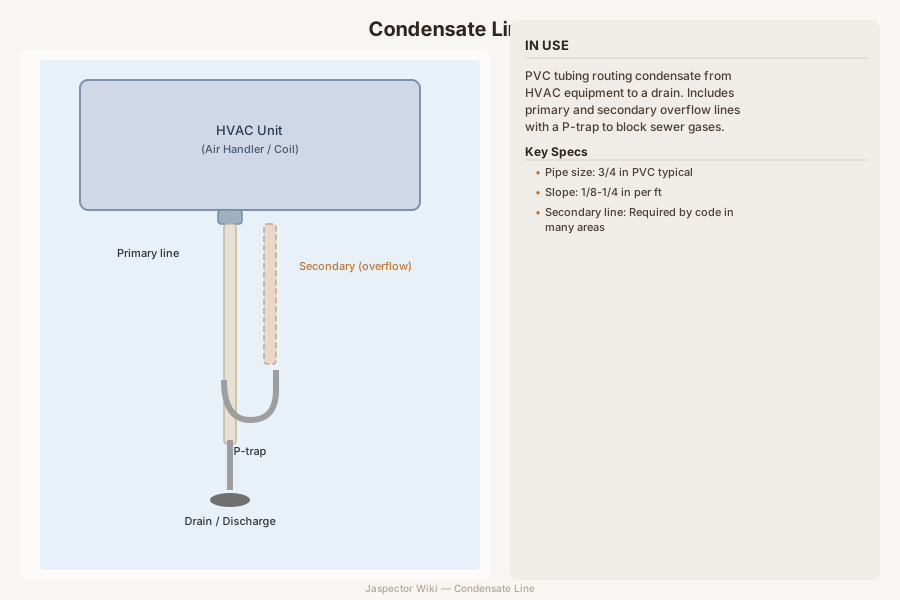
What It Is
The condensate line is the actual run of piping that moves condensed water away from the equipment. In many homes, the term is used interchangeably with condensate drain, but it usually refers more specifically to the line itself rather than the full drainage function.
The line must stay clear, supported, and properly sloped so water does not back up into the unit. Bad routing, algae buildup, and poor terminations are common reasons these lines fail in service.
Where It Is Used
Condensate lines are used on central air handlers, coil cabinets, condensing furnaces, dehumidifiers, and mini-split systems. They often run through attics, mechanical closets, garages, crawl spaces, or exterior walls.
How to Identify One
A condensate line is usually narrow white plastic piping or flexible tubing connected to the evaporator drain pan or condensate pump. Near an air handler, it may include a tee, trap, vent, or cleanout fitting.
Replacement
Replacement is appropriate when the line is brittle, kinked, incorrectly sloped, repeatedly clogged, or run to an improper discharge location. Because hidden leaks can damage framing and finishes, line problems should be corrected promptly.
Frequently Asked Questions
Condensate Line — FAQ
- What is the difference between a condensate line and a drain line?
- In HVAC use, they often mean nearly the same thing. "Condensate line" usually emphasizes the pipe or tubing carrying the water, while "condensate drain" can describe the whole drainage function.
- Why does my condensate line clog so often?
- Algae, slime, dust, and poor slope are common reasons. Warm, wet conditions inside the line make buildup more likely, especially if regular maintenance is ignored.
- Should a condensate line have a trap?
- Many systems require one, especially on negative-pressure air handlers. The exact configuration depends on the equipment design, so the manufacturer's instructions matter.
- Can a damaged condensate line cause ceiling stains?
- Yes. Attic units with leaking or clogged lines commonly cause ceiling stains, drywall damage, and mold concerns. A small line problem can create expensive interior damage if it goes unnoticed.
Have a question about your project? Get personalized answers from our team — $9/mo.
MembershipAlso in HVAC
- Air Handler Air Distribution
- Register Air Distribution
- Return Air Grille Air Distribution
- HVAC Filter Air Filtration
- Heat Strip Air Handler Components
- Heating Coil Air Handler Components
- Furnace Blower Air Movement
- Air Filter (HVAC) Air Quality & Filtration