Condensate Drain - HVAC Water Drain Repair Basics Guide
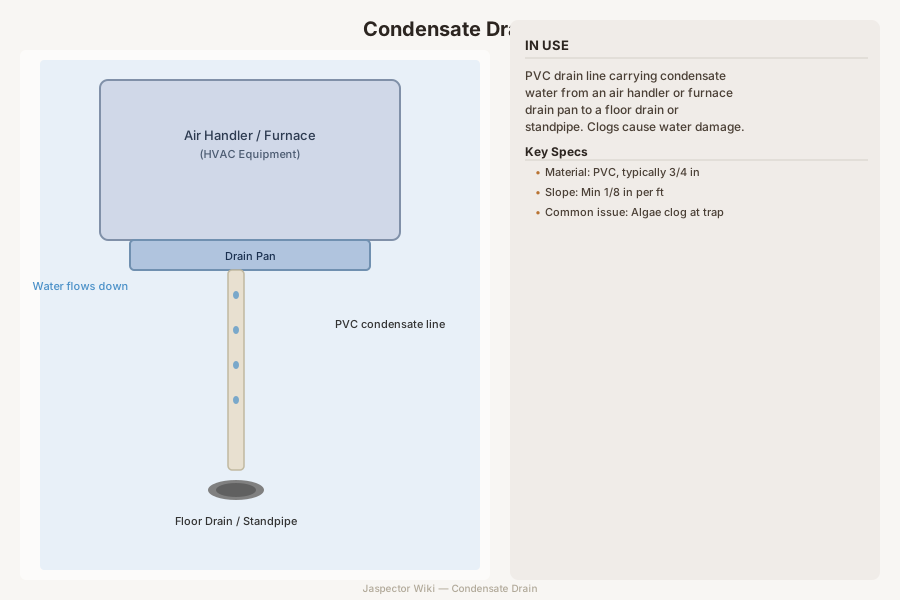
A condensate drain is the drainage path that carries water produced by an air conditioner, furnace, or dehumidifier away from the equipment.
What It Is
Condensate forms when an evaporator coil or similar cold surface pulls moisture out of indoor air. That water has to go somewhere, so HVAC equipment is built with a drain pan and drain connection that route it safely away.
If the condensate drain clogs, cracks, or backs up, water can overflow into ceilings, attics, closets, or furnace compartments. Many service calls for leaking air handlers trace back to drain problems rather than refrigerant issues.
Where It Is Used
Condensate drains are used on central air handlers, high-efficiency furnaces, attic units, mini-split systems, and dehumidifiers. In homes, they often run to a plumbing drain, exterior termination point, or condensate pump reservoir.
How to Identify One
A condensate drain is usually a small PVC, CPVC, vinyl, or flexible tube connected to the equipment's drain pan outlet. Near air handlers, it is often white plastic piping with a cleanout or tee fitting for service.
Replacement
Replacement is needed when the drain line is cracked, improperly sloped, repeatedly clogged, or installed in a way that traps water incorrectly. Drain repairs are usually straightforward, but hidden water damage should be checked whenever leaks occur.
Frequently Asked Questions
Condensate Drain — FAQ
- Why is water leaking from my AC condensate drain?
- The most common causes are a clog, poor slope, cracked line, or a backed-up drain pan. In attic systems, a shutoff switch may trip before major overflow happens, but not every installation has one.
- Is a condensate drain supposed to drip outside?
- Sometimes yes. Some systems terminate outdoors, so dripping during humid weather can be normal. The key question is whether the water is draining where it was designed to go, not damaging the house.
- How do I know if my condensate drain is clogged?
- Signs include water around the air handler, a full secondary drain pan, musty odors, or the system shutting off on a float switch. A clogged drain is one of the most common causes of indoor HVAC water leaks.
- Can I clean a condensate drain myself?
- Homeowners can sometimes clear accessible clogs with a wet vacuum or approved cleaning method. If the blockage is hidden, the line is damaged, or water has leaked into the home, an HVAC technician is the safer choice.
Have a question about your project? Get personalized answers from our team — $9/mo.
MembershipAlso in HVAC
- Air Handler Air Distribution
- Register Air Distribution
- Return Air Grille Air Distribution
- HVAC Filter Air Filtration
- Heat Strip Air Handler Components
- Heating Coil Air Handler Components
- Furnace Blower Air Movement
- Air Filter (HVAC) Air Quality & Filtration