CO Sensor - Carbon Monoxide Alarm Safety Basics Guide
A CO sensor is the sensing element inside a carbon monoxide safety device that detects dangerous carbon monoxide gas in indoor air.
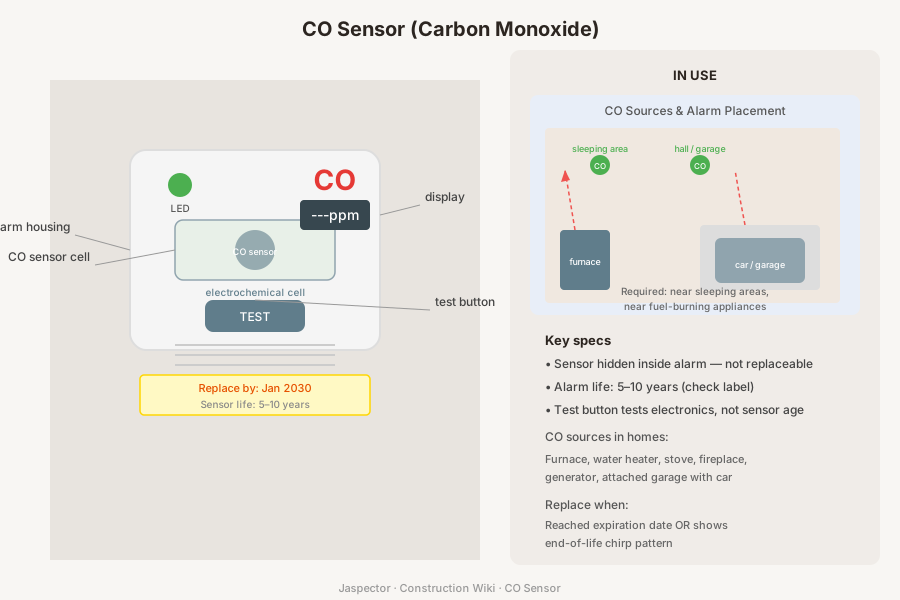
What It Is
A CO sensor reacts to the presence of carbon monoxide, a colorless and odorless gas produced by incomplete combustion. In homes, the sensor is usually built into a carbon monoxide alarm or a combination smoke and CO alarm. The sensor is the working part that determines whether the device can recognize harmful gas levels and trigger an audible and visual alert.
Carbon monoxide becomes dangerous at concentrations as low as 70 parts per million (ppm) over several hours, and lethal at higher concentrations in shorter periods. UL 2034 is the primary safety standard for residential CO alarms in the United States, and it defines the concentration and time thresholds the sensor must meet to earn its listing.
Over time, sensors age out and lose accuracy, which is why carbon monoxide safety devices have limited service lives of five to ten years from the date of manufacture. The cell inside the sensor gradually degrades through normal exposure to air and humidity, even if it never detects a real carbon monoxide event.
Types
The most common sensor technologies in residential CO alarms are electrochemical cells and metal oxide semiconductor (MOS) sensors. Electrochemical sensors use a chemical reaction between the gas and an electrode to produce a measurable electrical current proportional to the CO concentration. They are favored in most modern residential alarms because of their accuracy, low power consumption, and reliable response at low concentrations.
Metal oxide semiconductor sensors detect CO by measuring changes in electrical resistance across a heated tin dioxide film when the gas is present. These sensors are durable but consume more power and can be less precise at low concentrations.
Combination devices that include both smoke detection and CO sensing use separate sensor elements for each hazard, sharing a single housing, battery, and alarm circuit. When the CO sensor reaches end of life, the entire combination device must be replaced even if the smoke sensor is still functional.
Where It Is Used
CO sensors are used in alarms installed outside sleeping areas, near fuel-burning appliances, and in homes with attached garages. They are especially important where furnaces, fireplaces, water heaters, stoves, or generators can create carbon monoxide hazards. Most state and local building codes now require CO alarms on every level of a dwelling that has fuel-burning appliances or an attached garage.
The International Residential Code (IRC Section R315) requires carbon monoxide detection in new construction and in existing dwellings when work requiring a permit is performed. Placement guidelines typically call for alarms within 10 feet of each bedroom door and on every habitable level.
How to Identify One
The sensor itself is hidden inside the alarm housing, so homeowners usually identify it by the device it belongs to rather than by sight. The alarm label or manual will state whether it includes carbon monoxide detection, the sensor type, the manufacture date, and the replacement date. Most devices print an expiration date directly on the back of the unit.
A CO alarm can be distinguished from a smoke-only alarm by the markings on its face or label. Look for the words "carbon monoxide," the chemical formula "CO," or a UL 2034 listing mark. Combination smoke and CO devices will reference both UL 217 (smoke) and UL 2034 (CO) on the label.
Replacement
You do not usually replace only the sensor in a residential alarm. Instead, the entire alarm is replaced when it reaches the end of its rated life, fails testing, or shows an end-of-life warning. Most manufacturers design residential units as sealed devices where the sensor is not user-serviceable.
When replacing a CO alarm, match the replacement to the location requirements: battery-only units for areas without nearby wiring, hardwired units with battery backup where code requires interconnected alarms, and combination smoke and CO devices where consolidating detection into a single unit is preferred. Record the installation date on the back of the new device so future replacement timing is easy to track.
Frequently Asked Questions
CO Sensor (Carbon Monoxide Sensor) — FAQ
- Is a CO sensor the same as a carbon monoxide alarm?
- Not exactly. The CO sensor is the internal detection element, while the alarm is the full device with electronics, sounder, and housing. In most homes, they are sold together as one sealed unit and the sensor cannot be replaced separately.
- How long does a CO sensor last?
- Most residential carbon monoxide alarms last about five to ten years depending on the model and sensor technology. Once the sensor reaches end of life, the entire device usually needs replacement regardless of whether it has ever detected CO.
- Can I replace only the CO sensor in my alarm?
- Usually no. Most residential alarms are not designed for sensor-only replacement because the sensor is sealed inside the housing. When the sensor expires or fails, homeowners replace the entire alarm unit to maintain reliable detection.
- How do I know if my carbon monoxide alarm is still working?
- Use the device's test button for the electronic self-test and check the manufacture or replacement date on the label. A passed button test confirms the electronics and sounder work, but it does not reset sensor age, so an expired unit still needs replacement.
- Where should CO alarms be installed in a home?
- Install CO alarms on every habitable level, within 10 feet of each bedroom door, and near any fuel-burning appliances such as furnaces, water heaters, and fireplaces. Follow your local building code for specific placement requirements, as some jurisdictions have additional rules for basements, attached garages, and rental properties.
Have a question about your project? Get personalized answers from our team — $9/mo.
MembershipAlso in Fire Safety
- Chimney Insert Chimney System
- Chimney Liner Chimney System
- Masonry Chimney Chimneys & Vents
- Metal Chimney Chimneys & Vents
- Smoke Detector Detection & Alarm
- Smoke Sensor Detection & Alarm
- Carbon Monoxide Alarm
- Fire Door Doors