Chimney Liner - Flue Safety and Relining Basics Guide
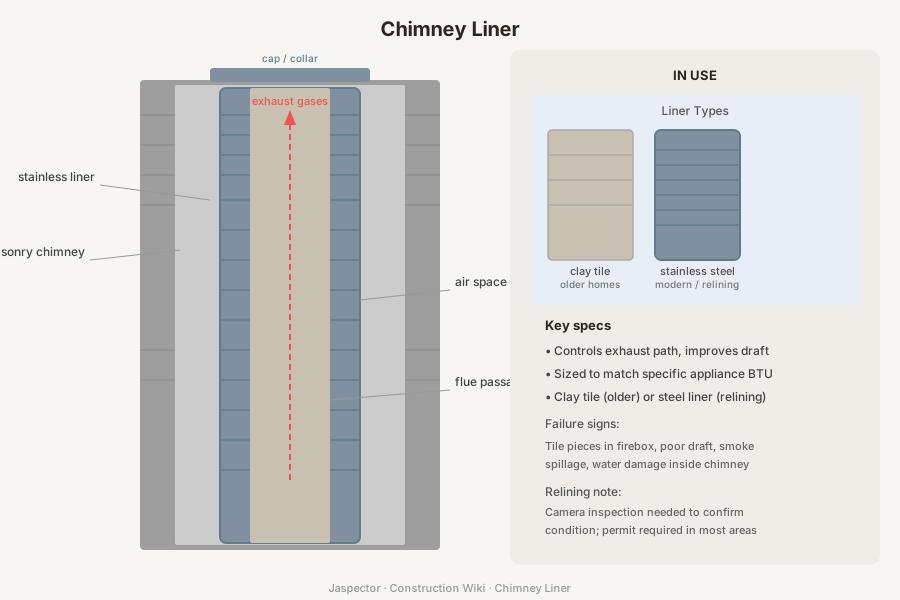
A chimney liner is the protected inner passage that carries smoke and combustion gases from a fireplace, stove, or furnace safely out of a chimney.
What It Is
A chimney liner forms the vent path inside a chimney. Its job is to contain hot gases, improve draft, and reduce the risk that heat, moisture, or corrosive byproducts will damage surrounding masonry or framing.
Liners matter because different appliances need different flue sizes and materials. An oversized or deteriorated flue can lead to poor drafting, smoke spillage, or accelerated chimney damage. A correctly sized liner helps the appliance vent as designed.
Types
Clay tile liners are common in older masonry chimneys. Stainless steel liners are widely used when relining chimneys for inserts, furnaces, and water heaters. Cast-in-place systems are less common but can strengthen damaged chimneys while forming a new flue passage.
Where It Is Used
Chimney liners are used anywhere a chimney vents a fireplace, wood stove, gas insert, furnace, boiler, or water heater. They are especially important when an appliance is upgraded and the old chimney no longer matches the venting requirements of the new unit.
How to Identify One
You usually cannot inspect the full liner from the room side, but you may see clay tile sections at the chimney top or a stainless steel liner connected to an insert or vent collar. A chimney camera inspection is the most reliable way to evaluate liner condition.
Replacement
A liner is replaced or relined when it is cracked, missing sections, badly corroded, or improperly sized for the attached appliance. Relining usually requires a chimney specialist and often requires permits because it affects a life-safety venting system.
Frequently Asked Questions
Chimney Liner — FAQ
- Why does a chimney need a liner?
- A liner keeps heat, smoke, and acidic exhaust inside a controlled vent path. It also helps the chimney draft properly and protects masonry from damage. Without a sound liner, combustion gases can leak or condense in places they should not.
- How do I know if my chimney liner is damaged?
- Common signs include pieces of flue tile in the firebox, poor draft, smoke entering the room, water damage, or a failed chimney inspection. Because most of the liner is hidden, a camera inspection is usually needed to confirm the condition.
- Can a stainless steel liner go inside an old masonry chimney?
- Yes. That is one of the most common chimney repairs and upgrade methods. Stainless steel liners are often installed when adding an insert or when the original clay liner is cracked or the wrong size.
- Do I need a permit to replace a chimney liner?
- In many jurisdictions, yes. Relining changes a venting system for a fuel-burning appliance, so it commonly requires permit review and inspection. Homeowners should not assume it is just a maintenance item.
Have a question about your project? Get personalized answers from our team — $9/mo.
MembershipAlso in Fire Safety
- Chimney Insert
- Masonry Chimney Chimneys & Vents
- Metal Chimney Chimneys & Vents
- Smoke Detector Detection & Alarm
- Smoke Sensor Detection & Alarm
- Carbon Monoxide Alarm Detection & Alarms
- CO Sensor (Carbon Monoxide Sensor) Detection & Alarms
- Fire Door Doors