Chime - Indoor Doorbell Sound Unit Repair and Replacement
A chime is the indoor sound unit that rings when a wired doorbell button activates the doorbell circuit.
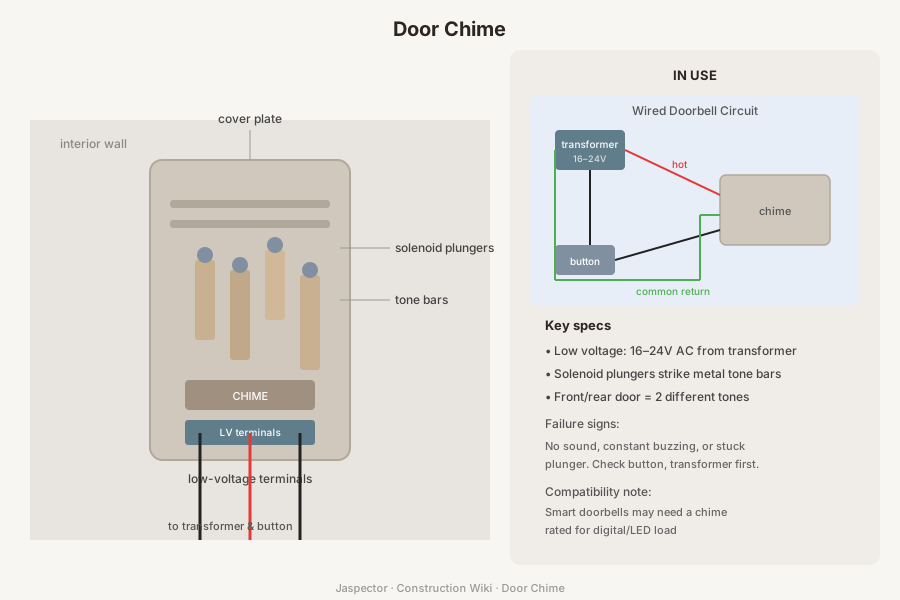
What It Is
In residential electrical work, a chime is the box inside the house that makes the familiar ding-dong or tone when someone presses the doorbell button. It works with a low-voltage transformer and one or more push buttons to convert an electrical signal into sound.
Most standard door chimes use a small solenoid and plungers that strike metal bars when energized. If the chime fails, the problem may be in the chime itself, but it can also come from the button, transformer, wiring, or a smart doorbell retrofit.
Where It Is Used
Chimes are usually installed in foyers, hallways, kitchens, or other central indoor locations where the sound can be heard throughout the house. They are part of wired doorbell systems and some hybrid smart doorbell setups.
How to Identify One
A door chime is typically a rectangular wall-mounted cover on an interior wall. Behind the cover are low-voltage terminals, plungers, and one or two tone bars depending on whether the system supports front and rear door buttons.
Replacement
Replacement is needed when the chime no longer sounds, buzzes continuously, sticks after the button is released, or is incompatible with an upgraded smart doorbell. Most replacements are straightforward low-voltage electrical work, but compatibility with the transformer and doorbell system matters.
Frequently Asked Questions
Chime (Door Chime) — FAQ
- What is the difference between a doorbell chime and a doorbell transformer?
- The transformer reduces house voltage to low voltage for the doorbell circuit, while the chime is the indoor unit that actually makes the sound. Both are required in a typical wired doorbell system.
- Why does my chime buzz instead of ring?
- A buzzing chime often means the plunger is sticking, the button is jammed, or the wiring is keeping the circuit partially energized. Smart doorbell upgrades can also cause buzzing if the chime or transformer is not compatible.
- Can I replace just the chime and keep the old wiring?
- Usually yes, as long as the wiring is intact and the new chime matches the existing low-voltage system. It is still worth checking the transformer output before assuming the old setup is fully compatible.
- Does replacing a door chime require a permit?
- A simple like-for-like chime replacement usually does not require a permit in a house because it is low-voltage work. Local rules vary, and broader rewiring or panel work is a different matter.
Have a question about your project? Get personalized answers from our team — $9/mo.
MembershipAlso in Electrical
- Range Outlet Appliance Circuits
- Appliance Whip Appliance Connections
- Dishwasher Cord Appliance Connections
- Dryer Cord Appliance Connections
- Range Cord Appliance Connections
- Generator Backup Power
- Transfer Switch Backup Power
- Box Cover Boxes