Caulk - Flexible Sealant for Gaps and Joints Guide
A caulk is a flexible sealant that fills joints and gaps to block water, air, dirt, and insects at building surfaces.
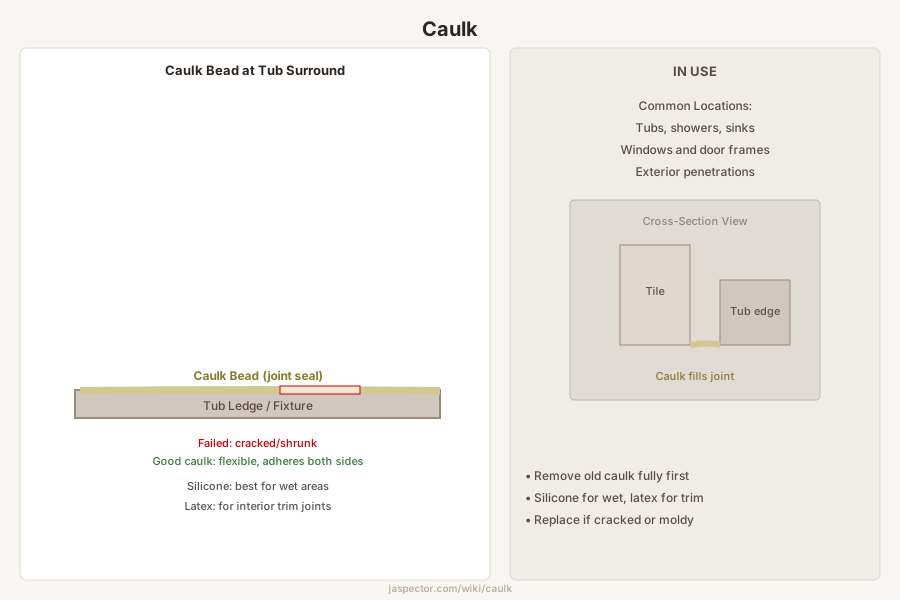
What It Is
Caulk is used wherever two materials meet and a small joint needs to be sealed while still allowing slight movement. In homes, it is found around tubs, showers, sinks, windows, doors, trim, siding joints, and many exterior penetrations.
The right caulk depends on the location. Wet areas need durable waterproof sealant, while exterior joints need products that handle sunlight, temperature change, and movement without cracking.
Types
Common residential types include siliconized acrylic latex, pure silicone, polyurethane, and specialty fire-rated or paintable sealants. Silicone is common in wet areas because it stays flexible and water resistant, while paintable acrylic products are common at interior trim.
Where It Is Used
Caulk is used in bathrooms, kitchens, around windows and doors, along trim, at siding transitions, and around penetrations such as hose bibs or service lines. It is meant for joints, not for rebuilding missing flashing or covering structural damage.
How to Identify One
Caulk appears as a bead of flexible sealant at a joint or gap. Failed caulk may crack, shrink, separate from one side of the joint, discolor with mold, or become brittle. If the joint moves and the sealant no longer stretches with it, replacement is due.
Replacement
Old caulk should be removed as completely as practical before new sealant is applied. The new product must match the environment, and the joint needs to be clean and dry for good adhesion.
Frequently Asked Questions
Caulk — FAQ
- What is caulk used for around the house?
- Caulk seals joints and small gaps to keep out water, air, dirt, and pests. It is common around tubs, sinks, windows, doors, trim, and exterior penetrations.
- How do I know when caulk needs to be replaced?
- Cracking, shrinkage, peeling, mold staining, and visible gaps are all signs the seal is failing. Once water can get behind the joint, replacement should not be delayed.
- Should I use silicone or latex caulk?
- Silicone is usually better for wet areas because it stays flexible and highly water resistant. Paintable latex or siliconized acrylic is better for interior trim where appearance and paint adhesion matter.
- Can I caulk over old caulk?
- That rarely lasts. New caulk bonds best to a clean surface, and old failing sealant underneath usually causes the new bead to release early.
- Why is bathroom caulk turning black?
- Black discoloration is usually mold or mildew growing on or behind the caulk bead. Poor ventilation, trapped moisture, and old sealant all contribute to the problem.
Have a question about your project? Get personalized answers from our team — $9/mo.
MembershipAlso in Exterior
- Extension Ladder Access & Safety
- Concealed Hinge Cabinet Hardware
- Board and Batten Cladding
- EIFS (Exterior Insulation Finish System) Cladding
- Hardboard Siding Cladding
- Shake Siding Cladding
- Siding Cladding
- Stone Veneer Cladding