Carbon Monoxide Alarm - Indoor CO Safety Detector Guide
A carbon monoxide alarm is a safety device that detects carbon monoxide gas and sounds an alert before indoor levels become dangerous.
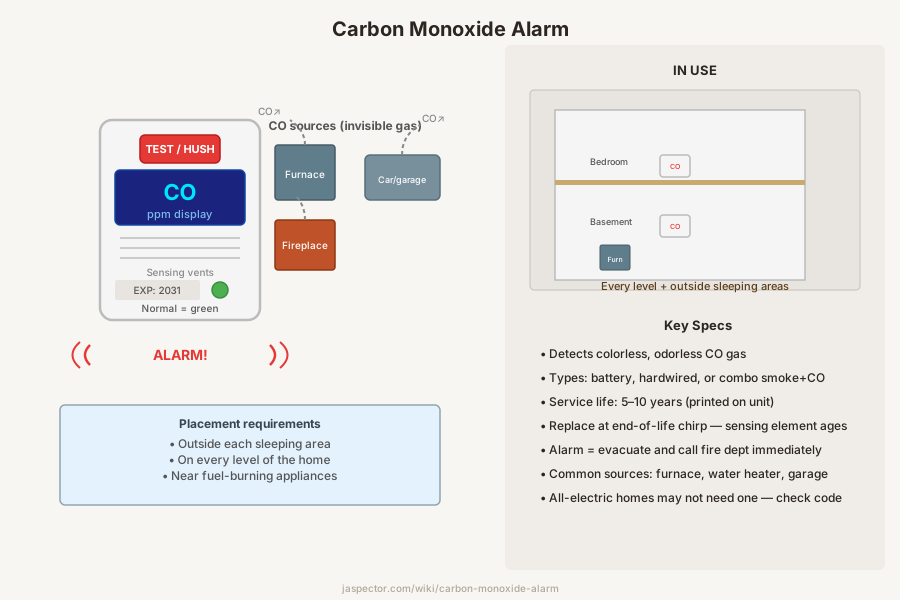
What It Is
A carbon monoxide alarm monitors the air for carbon monoxide, a colorless and odorless gas produced by incomplete combustion. In homes, the most common sources are fuel-burning furnaces, boilers, water heaters, fireplaces, attached garages, and generators used too close to the house.
Unlike smoke alarms, carbon monoxide alarms are designed to respond to invisible gas buildup rather than visible smoke particles. They are a core life-safety device in any home with fuel-burning equipment or an attached garage.
Types
Common types include battery-powered units, hardwired units with battery backup, and combination smoke and carbon monoxide alarms. Some models include digital displays that show peak CO levels, while others focus on simple audible warning and test functionality.
Where It Is Used
Carbon monoxide alarms are installed outside sleeping areas, on each level of the home, and near fuel-burning appliances as required by local code and manufacturer instructions. They are especially important in homes with gas furnaces, fireplaces, water heaters, or attached garages.
How to Identify One
A carbon monoxide alarm is usually a small wall-mounted or ceiling-mounted device with a test button, indicator light, and labeling that clearly states carbon monoxide protection. Many units also show an expiration date because the sensing element has a limited service life.
Replacement
Replacement is required at the end of the unit's rated lifespan, after repeated end-of-life warnings, or if the device no longer tests properly. Homeowners should follow placement instructions carefully because incorrect location can delay detection or cause nuisance alarms.
Frequently Asked Questions
Carbon Monoxide Alarm — FAQ
- Where should carbon monoxide alarms be installed?
- They should be installed outside sleeping areas, on every level of the home, and anywhere else required by local code or the manufacturer. Homes with attached garages or fuel-burning appliances need especially careful placement.
- How often should a carbon monoxide alarm be replaced?
- Most residential units need replacement every 5 to 10 years depending on the model. The exact service life is printed on the alarm, and many units chirp when they reach end of life.
- What causes a carbon monoxide alarm to go off?
- The alarm goes off when it detects unsafe carbon monoxide buildup. Common causes include venting problems, malfunctioning fuel-burning appliances, vehicle exhaust from an attached garage, or portable generators used too close to the house.
- Is a carbon monoxide alarm the same as a smoke detector?
- No. Smoke alarms detect smoke particles from fire, while carbon monoxide alarms detect a toxic gas you cannot see or smell. Many homes use separate devices or combination units that provide both protections.
- Do electric homes need carbon monoxide alarms?
- A fully electric home with no attached garage and no combustion equipment may not need them under some local rules. Any attached garage or fuel-burning appliance changes that, and local code requirements control the final answer.
Have a question about your project? Get personalized answers from our team — $9/mo.
MembershipAlso in Fire Safety
- Chimney Insert Chimney System
- Chimney Liner Chimney System
- Masonry Chimney Chimneys & Vents
- Metal Chimney Chimneys & Vents
- Smoke Detector Detection & Alarm
- Smoke Sensor Detection & Alarm
- CO Sensor (Carbon Monoxide Sensor)
- Fire Door Doors