Box Cover — Electrical Junction Box Plate Explained
A box cover is a flat or raised metal or plastic plate that attaches to an electrical junction box to protect internal wiring connections and maintain code compliance.
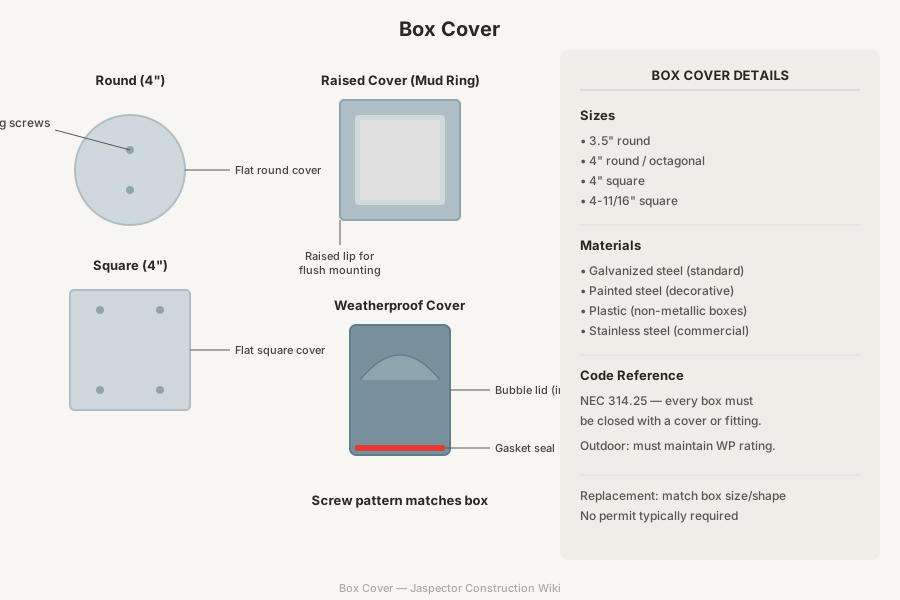
What It Is
A box cover is a protective plate designed to close off the open face of an electrical junction box, outlet box, or device box. While blank wall plates serve a similar purpose on flush-mounted boxes behind finished walls, box covers are used on surface-mounted boxes, ceiling boxes, and junction boxes in exposed locations such as basements, attics, garages, and utility rooms.
The primary purpose of a box cover is safety. NEC Section 314.25 requires that every box be covered with a fitting that closes the opening. An uncovered box exposes live wire connections, creates a fire hazard by allowing combustible material to contact hot conductors, and permits dust and moisture to degrade connections over time.
Types
Flat covers are simple plates that sit flush against the box rim, used when no device protrudes from the box. Raised covers, also called mud rings or plaster rings, have a raised lip that brings the cover surface flush with the finished wall or ceiling surface when the box is recessed. Single-device and double-device covers have cutouts for mounting switches or receptacles on surface-mounted boxes.
Round covers fit standard 3.5-inch and 4-inch round boxes commonly used for ceiling fixtures. Octagonal covers fit octagonal boxes used for junction points and lightweight fixtures. Square covers, available in 4-inch and 4-11/16-inch sizes, fit square junction boxes. Weatherproof covers include gaskets and spring-loaded or bubble-style lids to protect outdoor boxes from rain and moisture.
Where It Is Used
Box covers are used on every electrical box in a building, though the type varies by location. In finished spaces, standard wall plates serve as the cover for flush-mounted device boxes. In unfinished spaces — basements, attics, garages, mechanical rooms, and crawl spaces — metal or plastic flat covers close off junction boxes that contain wire splices but no devices.
Ceiling boxes use round or octagonal covers when no fixture is installed. Outdoor boxes use weatherproof covers rated for wet or damp locations. Commercial and industrial installations use heavy-duty steel covers, often with gaskets, on surface-mounted boxes throughout the building.
How to Identify One
A box cover is a plate fastened to the front of an electrical box with screws. On a round box, the cover is circular with a flat or slightly raised profile and one or two screw holes. On a square box, the cover is a flat or raised square plate with screw holes at the corners or center. Surface-mounted box covers may have cutouts for switches or receptacles.
The cover material — galvanized steel, painted steel, or plastic — typically matches the box material. If the cover has a gasket around its perimeter, it is rated for outdoor or wet-location use.
Replacement
Replacing a box cover is straightforward. Turn off the circuit breaker if you need to access the wiring inside. Remove the screws holding the old cover, lift it off, and install the new cover using the same screw pattern. The replacement cover must match the box size and shape — a 4-inch round cover will not fit a 4-inch square box.
For outdoor replacements, ensure the new cover maintains the weatherproof rating of the original. Use the gasket included with the new cover, and verify that the cover sits flush against the box rim with no gaps. A permit is not required for replacing a box cover, but if you discover damaged or improperly spliced wiring when the cover is removed, have an electrician inspect and repair the connections before closing the box.
Frequently Asked Questions
Box Cover — FAQ
- Is a box cover the same as a wall plate?
- They serve the same basic purpose — closing off the open face of an electrical box — but they are different products. A wall plate mounts on a flush device box behind finished drywall and covers the device (switch or outlet). A box cover mounts directly on a surface-mounted or exposed junction box and may be flat, raised, or configured for a device cutout.
- Do I need a box cover on every junction box?
- Yes. NEC Section 314.25 requires that all boxes have a cover, faceplate, canopy, or other fitting installed. Open junction boxes are a code violation and a safety hazard. Home inspectors and code officials routinely flag uncovered boxes as deficiencies that must be corrected.
- What type of box cover do I need for an outdoor junction box?
- Outdoor boxes require weatherproof covers that include a gasket to seal against moisture. In wet locations where the cover will be exposed to rain, use an in-use or bubble-type cover that protects the box even when a cord is plugged in. The cover must maintain the box enclosure's NEMA or wet-location rating.
- Can I paint a box cover to match my wall?
- Yes, box covers can be painted. Use a thin coat to avoid buildup that might prevent the cover from seating flush. Do not paint over screw threads or the gasket surface on weatherproof covers, as this can compromise the seal. Some homeowners prefer to purchase covers in a finish that matches the surrounding surface.
- How do I know what size box cover to buy?
- Measure the box or identify its shape and size. Common sizes are 3.5-inch round, 4-inch round, 4-inch octagonal, 4-inch square, and 4-11/16-inch square. The cover's screw pattern must match the box. If unsure, remove the old cover and bring it to the hardware store for a direct match.
Have a question about your project? Get personalized answers from our team — $9/mo.
MembershipAlso in Electrical
- Range Outlet Appliance Circuits
- Appliance Whip Appliance Connections
- Dishwasher Cord Appliance Connections
- Dryer Cord Appliance Connections
- Range Cord Appliance Connections
- Generator Backup Power
- Transfer Switch Backup Power
- Box Extender