Berm in Landscaping: Drainage, Privacy, and Grading
A berm is a raised mound of compacted soil built to redirect surface water, provide privacy screening, or help stabilize a slope.
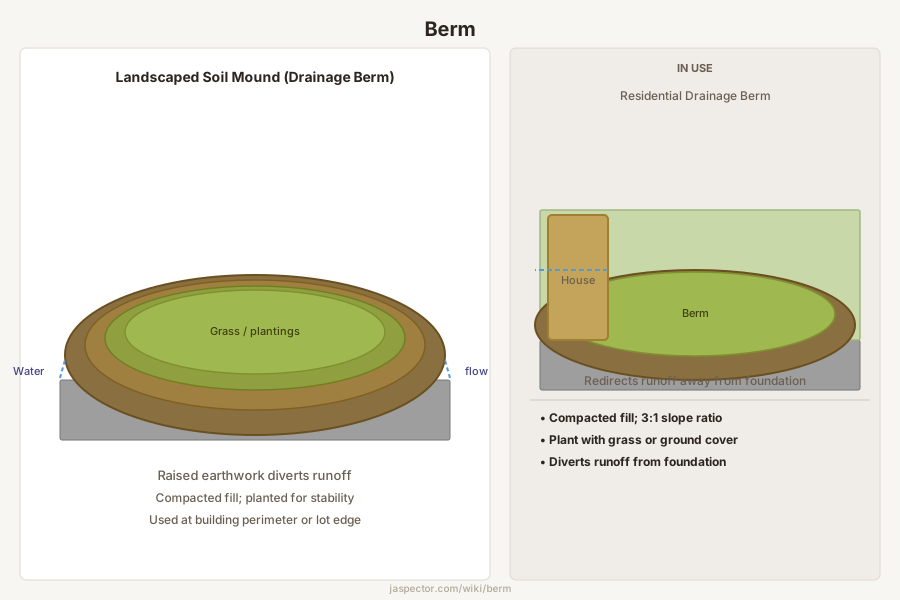
What It Is
A berm is an intentional ridge or mound of soil shaped above the surrounding grade. In residential settings it is usually made from compacted fill and then covered with topsoil, mulch, grass, or plantings. A well-built berm changes the way water moves across a site and can also create visual separation between areas of a yard.
Because a berm alters grading, it needs to be sized and located carefully. A poorly placed berm can trap water against a foundation, send runoff onto a neighbor's property, or erode over time.
Types
Drainage berms are built to intercept and redirect shallow surface runoff away from structures, walkways, or low spots.
Landscape berms are designed mainly for appearance, privacy, and planting beds, though they still affect drainage.
Stabilization berms are used near slopes or embankments to help slow runoff and reduce erosion.
Where It Is Used
Berms are commonly used along property lines, beside driveways, around patios, at the edge of swales, and in yards with drainage problems. They may also be installed near retaining features or on sloped lots where sheet flow needs to be redirected.
In property management, berms are often part of a larger drainage plan that includes swales, downspout extensions, catch basins, or erosion-control plantings.
How to Identify One
Look for a long, raised area of earth that appears shaped rather than naturally formed. A berm usually has a gradual slope, visible topsoil or planted cover, and a clear purpose such as diverting runoff or screening a view.
If the mound sits above nearby grade and changes the direction water would naturally travel, it is likely functioning as a berm.
Replacement
A failed berm is usually rebuilt rather than patched. Replacement typically involves removing eroded or poorly compacted soil, re-establishing the intended shape, compacting in lifts, and restoring grass, mulch, or planting cover.
If the berm is part of a drainage correction, replacement should address the underlying grading problem so water is not simply redirected to another trouble spot.
Frequently Asked Questions
Berm — FAQ
- What is a berm supposed to do in a yard?
- A berm is usually built to change surface drainage, create privacy, or help control erosion. In many homes it serves more than one purpose at once, such as redirecting runoff while also supporting landscaping.
- Can a berm cause drainage problems?
- Yes. If it is too close to the house or graded incorrectly, a berm can trap water and push runoff toward the foundation or neighboring properties. The shape, height, and discharge path all matter.
- How can I tell if a berm is failing?
- Common signs include washouts, bare soil, rills, slumping sides, and water ponding where the berm should be redirecting flow. Dead vegetation and exposed fill can also indicate erosion or poor compaction.
- Does a berm need maintenance?
- Yes. Berms need periodic inspection for erosion, settlement, and clogged drainage paths, especially after heavy rain. Vegetative cover should be maintained because exposed soil erodes much faster.
Have a question about your project? Get personalized answers from our team — $9/mo.
MembershipAlso in Landscaping
- Erosion Mat Erosion Control
- Landscape Fabric Ground Cover
- Landscape Pin Ground Cover
- Pea Gravel Ground Cover & Aggregate
- Edging Board Hardscaping
- Flagstone Hardscaping
- Paver Hardscaping
- Drip Emitter Irrigation