Built-In Bench Guide for Showers, Mudrooms, and Homes
A bench is a built-in seat or ledge integrated into a structure, most commonly in a shower, entry, mudroom, or other interior finish assembly.
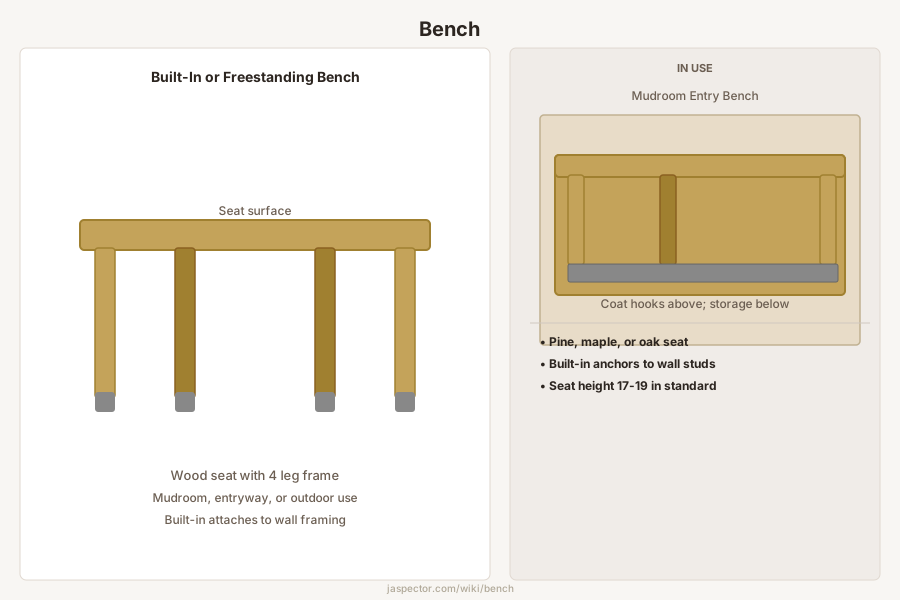
What It Is
In construction, a bench usually refers to a permanent feature framed, formed, or built into the surrounding structure rather than a movable piece of furniture. It may provide seating, storage, a resting ledge, or a usable shelf surface depending on the location. The most inspection-sensitive example is a shower bench, because it must be properly sloped, waterproofed, and finished to resist leaks and damage.
Types
Shower benches are built into tiled shower enclosures and may be full-width, corner, floating, or monument-style. They must be integrated with the waterproofing system.
Mudroom or entry benches are typically framed and finished with wood, laminate, or painted millwork and may include cubbies or storage below. Window benches and seat ledges are similar built-in seating features located at bays, alcoves, or recessed wall areas.
Some benches are site-built as part of the framing, while others use prefabricated supports or foam-core systems finished in tile or trim materials.
Where It Is Used
Built-in benches are used in showers, locker rooms, mudrooms, laundry rooms, entryways, breakfast nooks, and window alcoves. In residential construction they are common where storage and seating need to be combined efficiently. In wet areas, they are part of the building assembly and must be treated like any other waterproofed surface.
How to Identify One
A built-in bench is fixed in place and finished to match the surrounding construction rather than being freestanding furniture. In a shower, look for a tiled or solid-surface seat integrated into the wall assembly. In a mudroom or hallway, the bench may be framed into a niche, cabinet run, or wall recess with trim and storage below.
Replacement
A bench should be replaced when it is structurally loose, water-damaged, decayed, poorly supported, or improperly waterproofed. Shower benches often require partial demolition because the waterproofing and tile assembly must be rebuilt together. Replacement should address the underlying framing, slope, moisture protection, and finish materials, not just the visible surface.
Frequently Asked Questions
Bench — FAQ
- Is a shower bench supposed to slope a little?
- Yes. A shower bench should slope slightly toward the drain so water does not sit on the surface. A flat or back-pitched bench can hold water and increase the risk of grout failure, staining, and hidden moisture damage.
- Why is a built-in bench a concern during an inspection?
- Because it is part of the structure, not just furniture. If it is loose, poorly supported, or exposed to water without proper protection, the damage can extend into framing and finishes around it. Shower benches are especially sensitive because waterproofing defects are often hidden.
- Can a shower bench leak even if the tile looks fine?
- Yes. Tile and grout are not the actual waterproof layer. If the membrane or waterproof detailing underneath is wrong, water can reach the structure even when the surface still looks acceptable.
- What materials are used for built-in benches?
- It depends on the location. Shower benches may use masonry, framing, foam-core systems, tile backer products, tile, or solid-surface finishes, while dry-area benches often use framing, plywood, millwork, and trim. The right material depends on whether the area is wet, decorative, load-bearing, or all three.
- Can a damaged built-in bench just be patched?
- Sometimes in a dry area, yes, if the problem is cosmetic. In a shower or other wet assembly, patching the visible finish often misses the real issue underneath. If moisture or movement is involved, proper repair usually means opening the assembly and rebuilding it correctly.
Have a question about your project? Get personalized answers from our team — $9/mo.
MembershipAlso in Structural
- Access Panel Access & Openings
- Attic Hatch Access & Openings
- Construction Adhesive Adhesives & Sealants
- J-Bolt Anchorage
- Expansion Anchor Anchors & Fasteners
- Molly Bolt Anchors & Fasteners
- Baffle (Attic Rafter Vent) Attic & Roof
- Attic Hatch Cover Attic Access