Bathtub Fixture: Types, Identification, and Replacement
A bathtub is a large basin plumbing fixture designed for bathing and installed as a standalone or built-in unit within a bathroom.
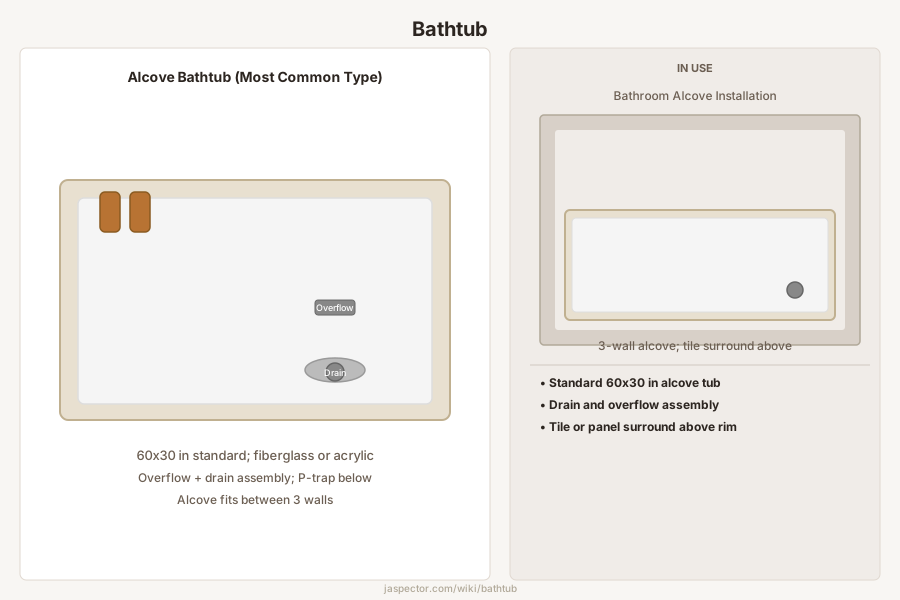
What It Is
A bathtub is a plumbing fixture that holds water for bathing and drains through a connected waste and overflow assembly. It may be combined with a shower or installed as a dedicated tub, depending on the bathroom layout and intended use.
Bathtubs come in different materials, including fiberglass, acrylic, enameled steel, cast iron, and solid-surface products. The tub itself must work with the surrounding wall finish, floor support, faucet configuration, and drain location to function properly without leaks or movement.
Types
Common bathtub configurations include alcove tubs, freestanding tubs, and drop-in tubs. Alcove tubs fit between three walls and are the most common tub-shower combination, while freestanding tubs sit exposed on the bathroom floor and drop-in tubs are installed into a framed deck or surround.
Other variations include soaking tubs, whirlpool tubs, and corner tubs, but the core installation categories are alcove, freestanding, and drop-in. Material and support details vary by manufacturer and affect both installation and long-term durability.
Where It Is Used
Bathtubs are used in full bathrooms, primary bathrooms, secondary family bathrooms, and some guest suites. They are commonly installed where bathing children, soaking, or maintaining at least one tub in the home is a practical or resale consideration.
Many alcove tubs serve double duty as a shower base, while freestanding tubs are often used as a focal fixture in larger bathrooms. Proper waterproofing around the tub area is essential because failures can damage adjacent walls, floors, and ceilings below.
How to Identify One
Look for the large basin fixture with a drain at the bottom and an overflow opening higher on the tub wall. The installation style is identified by whether the tub is enclosed on three sides, set into a deck, or stands free from surrounding walls.
Signs of trouble include cracks, flexing, loose movement, stained caulk, soft flooring nearby, leaking waste or overflow fittings, rusting on steel tubs, and surface wear that no longer cleans well. A tub that shifts under weight can indicate poor support or subfloor problems.
Replacement
A bathtub is typically replaced when it is cracked, leaking, badly worn, unstable, or outdated enough that repair no longer makes sense. Replacement may also be necessary during a bathroom remodel when the layout, finish materials, or accessibility needs are changing.
Replacement often involves disconnecting the drain and overflow, removing wall or deck finishes as needed, taking out the old tub, verifying framing and subfloor condition, setting the new tub level, reconnecting plumbing, and restoring waterproof finishes around it. Because tubs interact with both plumbing and finishes, improper replacement can lead to hidden water damage.
Frequently Asked Questions
Bathtub — FAQ
- What is the difference between an alcove tub and a freestanding tub?
- An alcove tub fits into a framed recess with walls on three sides and is often used with a shower. A freestanding tub stands on its own and is usually chosen more for appearance and soaking use than for compact efficiency.
- Why does my bathtub move or flex when I stand in it?
- Movement usually means the tub is not properly supported underneath or the subfloor has weakened. That flexing can stress the drain connection, crack finishes, and eventually cause leaks.
- Can a cracked bathtub be repaired?
- Some surface damage in fiberglass or acrylic tubs can be patched cosmetically, but results vary. If the crack goes through the body, keeps reopening, or is tied to flexing, replacement is usually the more dependable solution.
- How do I know if a bathtub leak is coming from the tub or the plumbing?
- Leaks can come from the waste and overflow assembly, supply plumbing, shower wall, or failed caulk around the tub edge. Staining below the bathroom or soft flooring around the tub often means the problem needs direct inspection rather than guesswork.
- When should a bathtub be replaced instead of refinished?
- Refinishing is mainly for worn surfaces when the tub is still sound and stable. Replacement is the better choice when there are structural cracks, active leaks, poor support, severe rust, or a remodel that changes the tub layout entirely.
Have a question about your project? Get personalized answers from our team — $9/mo.
MembershipAlso in Plumbing
- ADA Shower Seat Accessibility
- Fold-Down Seat Accessibility
- Backflow Preventer Backflow & Cross-Connection
- Pressure Vacuum Breaker Backflow Prevention
- Toilet Bath Fixtures
- Toilet Bowl Bath Fixtures
- Toilet Tank Bath Fixtures
- Toilet Tank Gasket Bath Fixtures