Bathroom Sink: Styles, Identification, Replacement
A bathroom sink is a plumbing fixture installed in a bathroom for handwashing and routine personal care tasks.
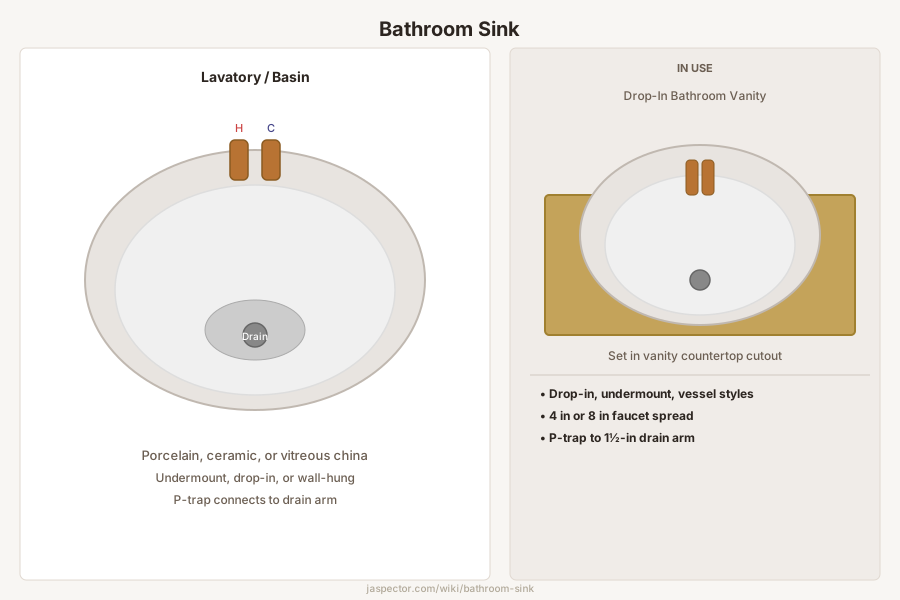
What It Is
A bathroom sink is the basin fixture used for handwashing, tooth brushing, shaving, and other daily hygiene tasks. It works with a faucet, drain assembly, trap, and supply connections to deliver water and carry wastewater into the plumbing system.
Bathroom sinks vary widely in material, mounting method, and how much countertop or storage space they leave available. The sink itself is only one part of the assembly, so leaks or failures may involve the fixture, faucet, drain fittings, or vanity structure around it.
Types
Common bathroom sink types include pedestal sinks, wall-hung sinks, undermount sinks, and drop-in sinks. Vessel sinks and integrated solid-surface tops are also used in some bathrooms, but the main residential categories are the four most commonly installed styles.
Pedestal and wall-hung sinks save space visually, while undermount and drop-in sinks are commonly paired with vanities and countertops. The right type often depends on bathroom size, storage needs, accessibility, and the existing countertop layout.
Where It Is Used
Bathroom sinks are used in full bathrooms, half baths, powder rooms, primary bath vanities, and shared family bathrooms. They may be installed as a single sink, double vanity arrangement, or compact wall-mounted fixture in smaller spaces.
They are usually positioned with nearby mirrors, medicine cabinets, lighting, and GFCI-protected receptacles. In many bathrooms, the sink area is one of the most frequently used plumbing locations in the home.
How to Identify One
Look for the basin fixture served by hot and cold water supply lines and connected to a drain and trap below. The style is identified by how the sink meets the wall, countertop, or pedestal support rather than by the faucet alone.
Common signs of trouble include cracks, staining, loose mounting, separated caulk, persistent drain leaks, slow drainage, overflow issues, and water damage inside the vanity cabinet or at the wall below the fixture. A sink that rocks or shifts under use may have failing support or attachment points.
Replacement
A bathroom sink is commonly replaced when it is cracked, chipped, stained beyond cleaning, leaking at the fixture body, loose at its mount, or no longer fits the vanity or countertop layout. Replacement may also happen during a bathroom remodel when homeowners change the style, height, or overall function of the space.
Replacement typically involves disconnecting the faucet and drain components, removing the old sink, preparing the mounting surface, installing the new fixture, reconnecting supply lines and the trap, and checking for leaks and proper support. Matching the sink type to the existing vanity or wall framing is critical.
Frequently Asked Questions
Bathroom Sink — FAQ
- What is the difference between an undermount sink and a drop-in sink?
- An undermount sink attaches below the countertop, leaving the counter edge exposed around the opening. A drop-in sink has a visible rim that sits on top of the countertop and supports the fixture from above.
- Why is my bathroom sink leaking inside the vanity?
- Many sink leaks come from the drain assembly, trap connections, shutoff valves, or supply lines rather than from the sink bowl itself. Water can also travel from a loose faucet base or failed countertop caulk and appear lower inside the cabinet.
- Can a cracked bathroom sink be repaired?
- Small cosmetic chips can sometimes be repaired depending on the sink material. A true crack in porcelain, vitreous china, or cultured marble often returns or worsens, so replacement is usually the more reliable option.
- How do I know if a sink is loose or improperly supported?
- If the sink rocks, shifts, pulls away from the wall, or opens gaps at the caulk line, the mounting may be failing. Wall-hung and undermount sinks especially need solid support because loose mounting can eventually damage the plumbing connections.
- Do I have to replace the vanity if I replace the bathroom sink?
- Not always. If the new sink matches the existing cutout, mounting style, and plumbing layout, you can often replace the sink alone.
Have a question about your project? Get personalized answers from our team — $9/mo.
MembershipAlso in Plumbing
- ADA Shower Seat Accessibility
- Fold-Down Seat Accessibility
- Backflow Preventer Backflow & Cross-Connection
- Pressure Vacuum Breaker Backflow Prevention
- Toilet Bath Fixtures
- Toilet Bowl Bath Fixtures
- Toilet Tank Bath Fixtures
- Toilet Tank Gasket Bath Fixtures