Baseboard Heater: Types, Identification, Replacement
A baseboard heater is a heating unit installed along the base of a wall that delivers heat at floor level by electric resistance or hot water circulation.
What It Is
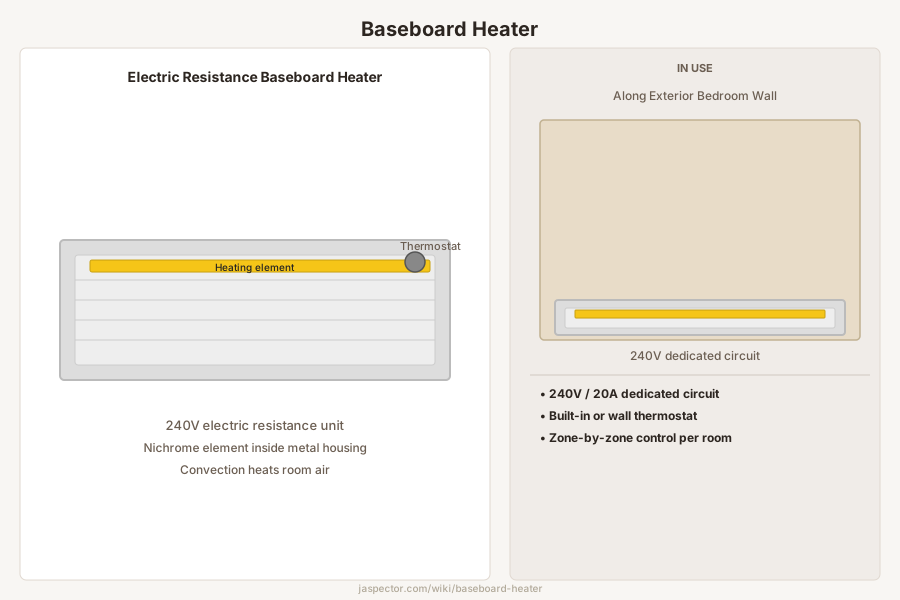
A baseboard heater is a low-profile heating appliance mounted near the floor along a room perimeter wall. It warms the space by heating air at floor level, which then rises naturally through convection and circulates through the room.
These heaters are commonly found in older homes, additions, apartments, and rooms where ductwork is limited or absent. Depending on the system, the unit may contain electric heating elements or a finned pipe carrying hot water from a boiler.
Types
The two main types are electric baseboard heaters and hydronic baseboard heaters. Electric models use resistance elements powered by the home's electrical system, while hydronic models use heated water flowing through pipes and metal fins inside the enclosure.
There are also self-contained electric hydronic units that combine electric heat with fluid inside the heater body. Hydronic systems are generally tied to a central boiler, while electric units are zoned by thermostat and branch circuit.
Where It Is Used
Baseboard heaters are used in bedrooms, living rooms, hallways, finished basements, offices, and additions where perimeter heating is practical. They are typically installed on exterior walls or below windows to help offset heat loss and cold drafts.
They are common in homes without forced-air duct systems and in spaces where independent room-by-room heat control is desired. Clearance around the unit is important so airflow is not blocked by furniture, drapes, or stored items.
How to Identify One
Look for a long, narrow metal enclosure mounted low on the wall near the floor. Electric units often have end caps and may be controlled by a wall thermostat or a built-in dial, while hydronic units may connect to visible supply and return piping at one end.
Rust, bent fins, missing covers, scorch marks, leaks, uneven heating, and noisy expansion sounds are signs that the heater may need service or replacement. A hydronic unit with staining below it may indicate a water leak rather than simple age.
Replacement
A baseboard heater is typically replaced when it no longer heats properly, has damaged elements or fins, leaks, shows severe rust, or has unsafe wiring or failing controls. Replacement should match the system type, voltage, output capacity, and physical length required for the room.
Electric replacements usually involve circuit verification and new thermostat connections, while hydronic replacements may require draining part of the system, reconnecting piping, and bleeding air from the loop. Improper replacement can create heating imbalance, electrical hazards, or leaks.
Frequently Asked Questions
Baseboard Heater — FAQ
- How do I know if I have an electric or hydronic baseboard heater?
- Electric baseboard heaters are powered by wiring and usually do not have water pipes connected to them. Hydronic baseboard heaters are part of a boiler system and typically have supply and return piping entering the unit.
- Why is my baseboard heater not heating the whole room?
- The heater may be undersized, blocked by furniture, or partially failing. In hydronic systems, trapped air, poor circulation, or a control valve issue can also reduce heat output.
- Is rust on a baseboard heater a problem?
- Light surface rust may be cosmetic, but heavier rust can indicate chronic moisture or long-term deterioration. If the cabinet is breaking down or a hydronic unit is leaking, replacement is often more practical than patching it.
- Can I put furniture in front of a baseboard heater?
- You should keep clearance in front of the heater so warm air can rise and circulate properly. Blocking it reduces efficiency and, for electric units, can create an overheating or fire risk.
- When should a baseboard heater be replaced instead of repaired?
- Replacement usually makes more sense when the unit has failed elements, leaking sections, major rust, broken covers, or outdated unsafe controls. Small thermostat or wiring issues may be repairable if the heater body is still in good condition.
Have a question about your project? Get personalized answers from our team — $9/mo.
MembershipAlso in HVAC
- Air Handler Air Distribution
- Register Air Distribution
- Return Air Grille Air Distribution
- HVAC Filter Air Filtration
- Heat Strip Air Handler Components
- Heating Coil Air Handler Components
- Furnace Blower Air Movement
- Air Filter (HVAC) Air Quality & Filtration