Baseboard Trim: Definition, Types, and Replacement
A baseboard is the trim board installed along the base of an interior wall where the wall meets the finished floor.
What It Is
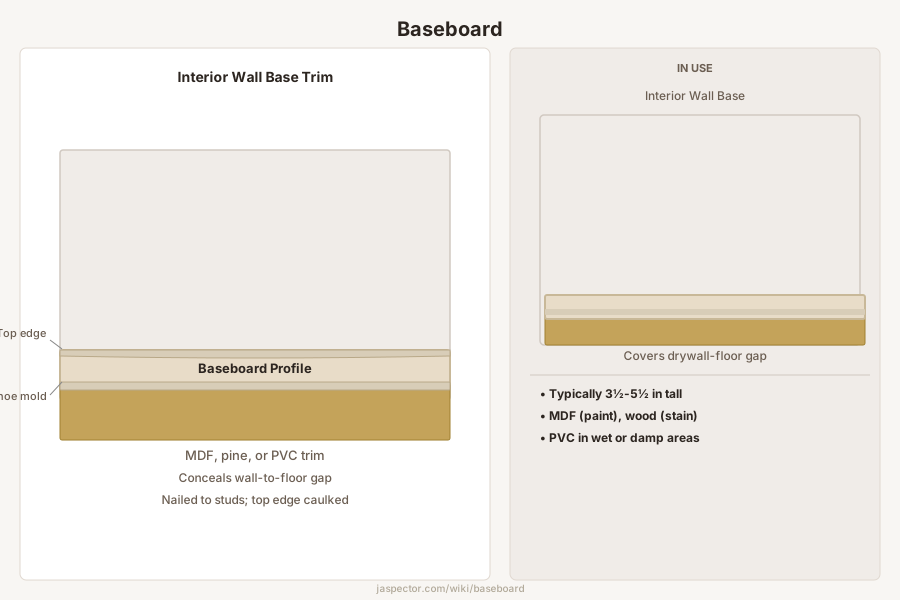
Baseboard is an interior finish trim piece that covers the joint between the wall surface and the floor. It gives the room a cleaner finished appearance while also helping protect the lower part of the wall from bumps, scuffs, cleaning tools, and furniture contact.
Baseboards are typically made from wood, MDF, finger-jointed pine, PVC, or composite trim materials. In many homes they are painted, but they may also be stained or matched to other casing and trim details.
Types
Common baseboard types include simple flat stock, stepped profiles, colonial profiles, ranch-style profiles, and taller built-up assemblies made from multiple trim pieces. Material choices also vary, with MDF often used for paint-grade work and solid wood used where durability or stain-grade finishes matter.
Moisture-resistant PVC or composite baseboards are sometimes used in basements, bathrooms, laundry rooms, or other damp-prone spaces. The profile style is usually a finish choice, while the material selection often reflects budget, durability, and moisture exposure.
Where It Is Used
Baseboard is used along the perimeter of finished interior rooms, including bedrooms, hallways, living areas, bathrooms, and finished basements. It is typically installed wherever drywall or plaster meets finished flooring such as hardwood, tile, vinyl, laminate, or carpet.
In some homes, baseboard also works with shoe molding or quarter-round to cover flooring gaps at the wall edge. It is part of the interior finish system rather than the wall structure itself.
How to Identify One
Look for the horizontal trim board running continuously along the bottom of an interior wall. It is usually taller and more prominent than shoe molding and is fastened directly to the wall, not the floor.
Signs of wear include swelling, peeling paint, separation at joints, cracked corners, nail pops, water staining, and impact damage. Deterioration near tubs, exterior doors, or wet mopping areas may indicate ongoing moisture exposure.
Replacement
Baseboard is typically replaced when it is badly swollen, rotted, cracked, separated, or no longer matches adjacent finishes after remodeling. Localized damage can often be handled by replacing only the affected section if the same profile is still available.
Replacement usually involves removing the trim carefully, cleaning the wall line, cutting new pieces to length, fastening them to studs or backing, filling nail holes, caulking the top edge, and repainting or finishing the surface.
Frequently Asked Questions
Baseboard — FAQ
- What is the purpose of baseboard in a house?
- Baseboard covers the gap where the wall meets the floor and gives the room a finished appearance. It also helps protect the lower wall from vacuum bumps, shoe scuffs, and minor furniture contact.
- Is baseboard structural or just decorative?
- Baseboard is a finish material, not a structural component. It is mainly decorative and protective, although it can also help hide uneven edges at flooring and drywall transitions.
- Why is my baseboard swelling or pulling away from the wall?
- Swelling usually points to moisture exposure, especially with MDF or wood-based trim. Separation can also happen from seasonal movement, poor fastening, wall unevenness, or past water intrusion that has distorted the material.
- Can damaged baseboard be repaired instead of replaced?
- Minor dents, open joints, and nail holes can often be filled, caulked, and repainted. If the trim is swollen, rotted, badly split, or the profile is broken, replacement is usually the cleaner and longer-lasting fix.
- Do I need to replace all the baseboards in a room if one section is damaged?
- Not always. If you can match the profile, height, and finish, a single damaged section can often be replaced without redoing the whole room.
Have a question about your project? Get personalized answers from our team — $9/mo.
MembershipAlso in Structural
- Access Panel Access & Openings
- Attic Hatch Access & Openings
- Construction Adhesive Adhesives & Sealants
- J-Bolt Anchorage
- Expansion Anchor Anchors & Fasteners
- Molly Bolt Anchors & Fasteners
- Baffle (Attic Rafter Vent) Attic & Roof
- Attic Hatch Cover Attic Access