Backsplash — Tile and Stone Wall Protection Explained
A backsplash is a tile, stone, or panel surface mounted to the wall behind a sink, cooktop, or countertop to protect against moisture, grease, and splatter.
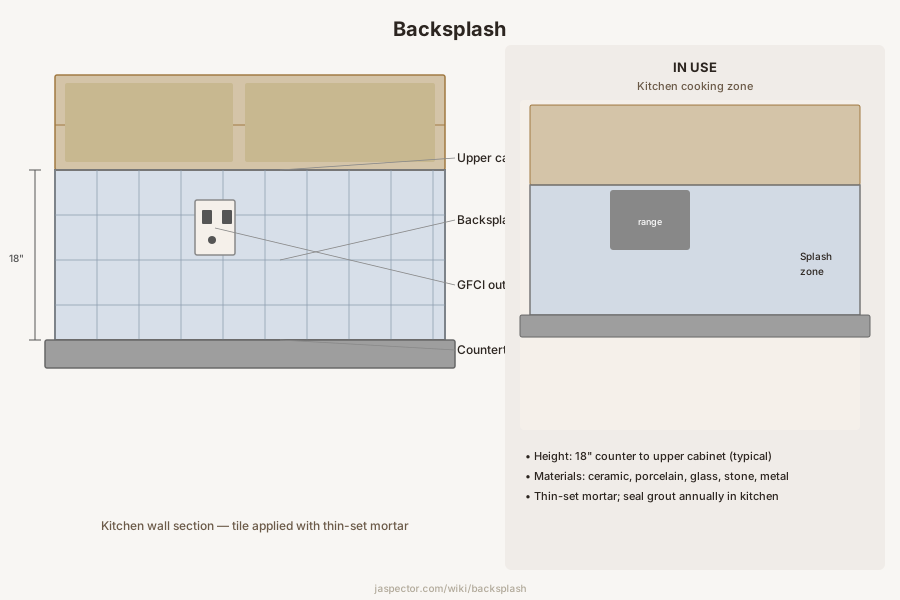
What It Is
A backsplash covers the gap between the countertop and upper cabinets — or extends as a full-height accent wall — in kitchens, bathrooms, and laundry rooms. Its primary function is protection: it stops water, cooking grease, and cleaning products from reaching drywall or plaster, which would absorb moisture and eventually fail. A properly installed backsplash with sealed grout joints creates a waterproof or water-resistant barrier that is easy to wipe clean.
Beyond waterproofing, backsplashes are a finish surface visible in daily use. Material choice affects both durability and appearance.
Types
Ceramic and porcelain tile is the most common material. It is water-resistant, heat-tolerant, and available in a wide range of sizes and finishes. Porcelain is denser and more durable than ceramic.
Natural stone (marble, travertine, slate) offers a premium look but is porous and requires periodic sealing to resist stains and moisture.
Glass tile reflects light and resists staining. It requires non-sanded grout to avoid scratching the surface during installation.
Subway tile is a rectangular ceramic or porcelain tile, typically 3×6 inches, installed in a brick-offset pattern. It is the most common residential backsplash format.
Peel-and-stick panels are an adhesive-backed alternative used in rentals or low-moisture areas. They are not suitable for behind a cooktop or directly above a sink without a lip.
Solid surface and quartz slab backsplashes are cut from the same material as the countertop for a seamless look. They require professional templating and fabrication.
Where It Is Used
Backsplashes appear most commonly in kitchens behind the range and sink, and in bathrooms behind the vanity. In laundry rooms, a small backsplash behind a utility sink serves the same waterproofing function. Behind a cooktop or range, the backsplash must be rated for heat — natural stone, ceramic, and porcelain are appropriate; some adhesive panels are not.
How to Identify One
A backsplash is the finished wall surface between the countertop and the underside of the upper cabinets. If grout lines are visible in that zone, the surface is tile. A single continuous slab in that area is a solid-surface or stone slab backsplash. Painted drywall in that position is not a true backsplash and offers no waterproofing.
Signs of a failing backsplash include cracked or missing grout, loose or hollow tiles (tap gently to check), discoloration or dark staining at the grout lines, and caulk pulling away at the countertop-to-tile joint.
Replacement
Replacing a backsplash involves removing existing tile and adhesive, repairing the substrate if damaged, and setting new tile. The countertop-to-backsplash joint should be caulked — not grouted — to allow for slight movement between the two surfaces. Grouting that joint leads to cracking over time.
A permit is rarely required for a like-for-like backsplash replacement. Permits may be required if the replacement is part of a larger kitchen remodel that includes plumbing or electrical changes. Labor costs for a standard kitchen backsplash tile installation typically range from $10 to $25 per square foot installed, depending on tile complexity and region.
Frequently Asked Questions
Backsplash — FAQ
- What is the purpose of a backsplash?
- A backsplash protects the wall behind a sink or cooktop from water, grease, and cleaning chemicals that would otherwise soak into drywall or plaster and cause mold or structural damage. It also makes the wall easy to wipe clean. In kitchens, it is one of the most-used wall surfaces in the home.
- How do I know when my backsplash needs to be replaced?
- Cracked or missing grout, loose or hollow-sounding tiles, water staining behind the tile, and caulk that has pulled away from the countertop joint are all signs the backsplash is no longer doing its job. If water is getting behind the tile, the drywall substrate may already be damaged and will need to be replaced before retiling.
- Do I need a permit to replace a backsplash?
- A straightforward backsplash replacement — same footprint, no plumbing or electrical changes — typically does not require a permit. If you are replacing a backsplash as part of a kitchen remodel that includes moving outlets, adding a vent hood, or relocating plumbing, those scopes will each require their own permits.
- Can I install a backsplash myself?
- Tile setting is a skill that takes practice, but a standard subway tile backsplash is one of the more approachable DIY tile projects because the cuts are simple and the area is small. Key steps are preparing a flat, clean substrate; using the right thinset; maintaining even spacing with tile spacers; and finishing with sanded or unsanded grout matched to the joint width.
- Why is there caulk at the bottom of my backsplash instead of grout?
- The joint where the backsplash meets the countertop is a movement joint. Countertops and wall tile expand and contract at slightly different rates with temperature and humidity changes. Grout is rigid and will crack at that joint. Caulk in a color matched to the grout is the correct material there and should be replaced if it shrinks, cracks, or pulls away.
Have a question about your project? Get personalized answers from our team — $9/mo.
MembershipAlso in Structural
- Access Panel Access & Openings
- Attic Hatch Access & Openings
- Construction Adhesive Adhesives & Sealants
- J-Bolt Anchorage
- Expansion Anchor Anchors & Fasteners
- Molly Bolt Anchors & Fasteners
- Baffle (Attic Rafter Vent) Attic & Roof
- Attic Hatch Cover Attic Access