Anti-Tip Bracket — Freestanding Range Safety Device
An anti-tip bracket is a safety device anchored to the floor or wall behind a freestanding range that prevents the appliance from tipping forward when heavy weight is placed on an open oven door.
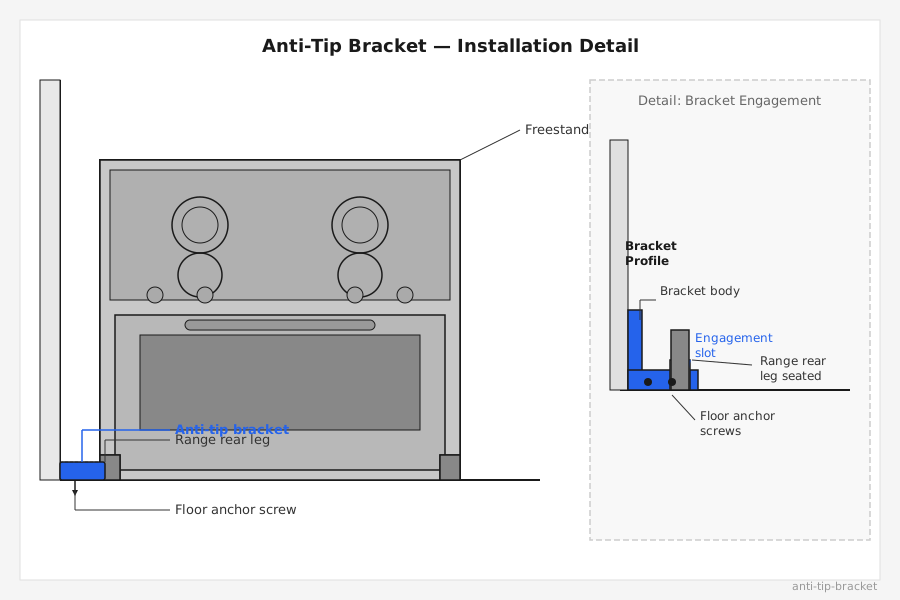
What It Is
An anti-tip bracket is a small metal clip or bracket, usually 18-gauge or heavier steel, that fastens to the floor at the base of the wall behind a freestanding or slide-in range. The rear leg of the range slides into or over the bracket's engagement slot. If the range is ever pulled forward and an oven door is opened under a heavy load — such as a Thanksgiving turkey in a roasting pan — the bracket catches the rear leg and stops the appliance from tipping.
The bracket addresses a documented hazard. A freestanding range with an open door can tip at loads as low as 50 pounds, which is enough to injure a child standing on the door or an adult leaning on it. The Consumer Product Safety Commission has documented fatalities from range tip-overs, and ANSI/UL 858 — the safety standard for household electric ranges — requires manufacturers to include an anti-tip bracket with every unit. Most gas range manufacturers follow the same practice.
Most brackets are included with new ranges, though older installed ranges may lack them entirely. A 2012 CPSC survey found that more than half of freestanding ranges in American homes were not secured with a bracket. The bracket is generally concealed behind the lower rear of the appliance once installed and is invisible during normal use.
Types
Floor-mount brackets are the most common type. They screw directly into the floor behind the range using two or more wood screws. The bracket's channel or slot catches the rear leg when the range is slid back into position. Floor-mount brackets work on wood subfloors, vinyl, and tile surfaces.
Wall-mount brackets attach to the wall studs behind the range and engage with a slot or hook on the rear panel of the appliance rather than the rear leg. These are used when the floor material is concrete or when the homeowner does not want to drill into finished flooring. Wall-mount brackets are more common with slide-in ranges that sit flush with the countertop.
Adjustable-height brackets accommodate uneven flooring or varying rear-leg heights and are available as aftermarket accessories from appliance parts suppliers.
Where It Is Used
Anti-tip brackets are installed behind freestanding and slide-in ranges in residential kitchens. They are required by most range manufacturers and are referenced in general appliance safety guidelines. The International Residential Code (IRC M2003.4) requires anti-tip devices for all freestanding ranges. Ranges in rental units and older homes are frequently missing them, particularly if the range was replaced without reading the installation instructions.
Home inspectors routinely check for the presence of an anti-tip bracket during a standard home inspection. A missing bracket is a common finding and is typically flagged as a safety concern in the inspection report.
How to Identify One
Pull the range forward about six inches and look at the floor near the wall behind the rear legs. A properly installed anti-tip bracket is a small L-shaped or channel-shaped metal fitting screwed into the floor with two to four screws. If none is present, the range is not secured. You can also test whether the bracket is engaged by gripping the front edge of the range and pressing down gently — the rear legs should resist lifting because the bracket holds them to the floor.
Wall-mount brackets are visible as a small metal plate screwed into the wall behind the range, typically six to eight inches above the floor. The rear panel of the range will have a corresponding hook or slot that engages the bracket.
Replacement
Anti-tip brackets are inexpensive, often under ten dollars, and widely available at appliance parts suppliers. The bracket must match the range model — manufacturers include a model-specific part number in the installation manual. Installation requires only a screwdriver or drill and takes about fifteen minutes. No permit is required.
If a bracket is missing or if the range has been moved for cleaning and not replaced correctly over the bracket, reinstalling it is a straightforward task. Position the bracket per the measurements in the range installation manual, secure it with the supplied screws, and slide the range back so the rear leg drops into the channel. After engagement, try to tip the front of the range gently to confirm the bracket is holding.
Frequently Asked Questions
Anti-Tip Bracket — FAQ
- What does an anti-tip bracket do?
- An anti-tip bracket anchors the rear leg of a freestanding range to the floor so the appliance cannot tip forward if weight is placed on an open oven door. It is a required safety device included with most ranges and prevents serious injuries from tip-over accidents.
- Is an anti-tip bracket required by code?
- Most range manufacturers require installation of an anti-tip bracket as a condition of the product warranty and to comply with appliance safety standards. While it is not always listed as a building code item, it is part of the appliance installation instructions and is expected by home inspectors.
- How do I know if my range has an anti-tip bracket installed?
- Pull the range forward about six inches and look at the floor behind the rear legs. A small metal bracket screwed into the floor indicates one is present. If no bracket is visible, the range is likely unsecured and should be retrofitted before pushing it back.
- What happens if I clean behind the range and forget to re-engage the bracket?
- If the rear leg is not seated in the bracket when the range is pushed back, the bracket provides no protection. Always slide the range fully back into place and confirm the rear leg drops into or engages the bracket slot after any cleaning or service.
- Can I install an anti-tip bracket myself?
- Yes. The bracket installs with two screws into the floor using a drill or screwdriver. The bracket must be positioned so the rear leg of the range engages it at the correct depth when the appliance is in its normal position. The range installation manual specifies the exact placement.
Have a question about your project? Get personalized answers from our team — $9/mo.
MembershipAlso in Appliances
- Appliance Installation: What Requires a Professional Appliance Installation
- Appliance Maintenance Tasks Homeowners Should Do Appliance Maintenance
- Speaker Audio & Controls
- Face Frame Cabinetry
- Pressure Washer Nozzle Cleaning Equipment
- Warming Drawer
- Range Cooking Appliances
- Range Heating Element Cooking Appliances